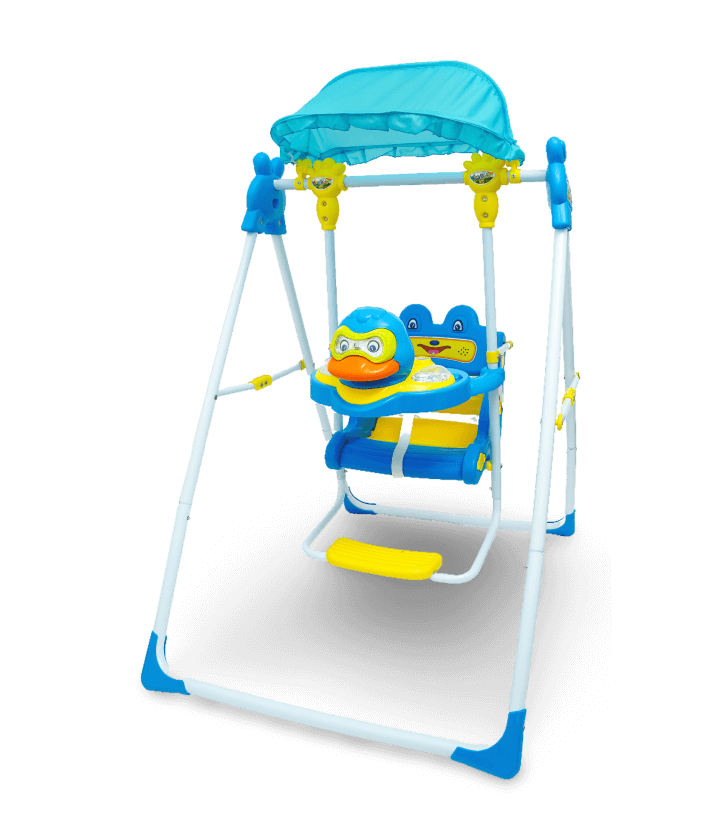
Educational Toy Manufacturer - Revolutionizing Learning Through Play
The demand for educational toy manufacturers has exploded as parents and educators increasingly recognize the power of play-based learning. Gone are the days when toys were mere entertainment; today's toys are sophisticated learning tools designed to develop cognitive skills, creativity, and social abilities in children. An educational toy manufacturer combines pedagogical expertise with innovative design to create products that genuinely enhance child development.
This shift represents a fundamental change in how we view childhood development. Parents now actively seek toys that align with developmental milestones and learning outcomes, making educational toy manufacturing a dynamic and rapidly growing sector.
Understanding Educational Toys and Their Impact
Educational toys serve specific developmental purposes across different age groups. They bridge the gap between learning and fun, making education an exciting adventure rather than a chore.
The Science Behind Educational Play
Research consistently demonstrates that educational toy manufacturers create products that:
-
Enhance problem-solving capabilities
-
Develop fine and gross motor skills
-
Encourage language development
-
Foster creative thinking
-
Build social and emotional intelligence
-
Promote STEM learning foundations
Market Growth and Demand
The global educational toys market is experiencing remarkable growth. Parents worldwide are investing more in quality toys that promise developmental benefits. This trend has created unprecedented opportunities for educational toy manufacturers who understand both child psychology and product innovation.
Types of Educational Toys Produced by Leading Manufacturers
Developmental Stage-Specific Toys
Reputable educational toy manufacturers create toys tailored to specific developmental stages:
-
0-12 months: Sensory toys, teething toys, and high-contrast visual aids
-
1-2 years: Stacking toys, sorting toys, and cause-and-effect toys
-
2-4 years: Puzzle toys, building blocks, and pretend play sets
-
4+ years: Complex building systems, strategy games, and STEM kits
Category Specialization
Leading educational toy manufacturers often specialize in specific categories:
-
Construction and building systems
-
Puzzle and problem-solving toys
-
Montessori-inspired materials
-
Interactive learning games
-
Musical and sensory toys
What Sets Quality Educational Toy Manufacturers Apart
Pedagogical Expertise
Top manufacturers employ child development specialists who understand learning theories and developmental psychology. This expertise ensures that products genuinely support educational outcomes, not just claimed benefits.
Safety and Quality Standards
Educational toy manufacturers must meet rigorous standards:
-
Non-toxic, child-safe materials
-
Durability testing for rough play
-
Age-appropriateness certifications
-
Regular quality audits
Innovation and Research
Leading manufacturers invest in research to understand emerging educational needs and learning trends. They stay updated with educational methodologies to create relevant, contemporary products.
Parent and Educator Feedback Integration
The best educational toy manufacturers actively gather feedback from teachers and parents, using this insight to continuously improve product effectiveness.
Designing Educational Toys: The Manufacturer's Perspective
Creating an educational toy requires careful consideration:
-
Learning Objective Definition - What specific skill should the toy develop?
-
Age-Appropriateness Assessment - Is the toy suitable for target age groups?
-
Material Selection - Are materials safe, sustainable, and appropriate?
-
Usability Testing - Does the toy work as intended in real-world play?
-
Durability Validation - Can it withstand typical child use?
The Business of Educational Toys
Market Positioning
Educational toys occupy a premium market segment. Parents recognize the value and willingly invest more for toys with proven developmental benefits. Educational toy manufacturers who effectively communicate their educational value proposition enjoy strong market demand.
Retail and Online Distribution
Modern educational toy manufacturers utilize multiple channels:
-
Specialty educational toy retailers
-
Online marketplaces
-
Direct-to-consumer e-commerce
-
School and daycare supply channels
Sustainability in Educational Toy Manufacturing
Progressive educational toy manufacturers are increasingly focusing on sustainability:
-
Eco-friendly materials and manufacturing processes
-
Recyclable and biodegradable packaging
-
Fair labor practices
-
Reduced carbon footprint initiatives
This commitment resonates with environmentally conscious parents and opens doors to premium market segments.
Conclusion
The role of an educational toy manufacturer extends far beyond creating playthings; they're shaping the future generation of learners. By combining pedagogical expertise with innovative manufacturing, these companies create products that parents trust and children enjoy. As the educational toy market continues to expand, manufacturers who prioritize learning outcomes, safety, and innovation will lead the industry. Whether you're a parent seeking developmental toys or an entrepreneur considering this sector, understanding the importance of quality educational toy manufacturing is essential for making informed decisions.
FAQs - Educational Toy Manufacturer
1. How do I verify that a toy is genuinely educational?
Look for toys that have clear developmental learning objectives, are created in consultation with child development experts, and have been tested with actual children. Check for alignment with developmental frameworks like Montessori or Waldorf education, and read educator and parent reviews.
2. What age group do educational toy manufacturers primarily focus on?
Most manufacturers create toys for multiple age groups from birth through pre-teen years. Each age group has specific developmental needs, so manufacturers typically design age-appropriate collections. Some specialize in particular age ranges, so verify their focus aligns with your needs.
3. Are educational toys more expensive than regular toys?
Generally, yes. Educational toys command higher prices due to developmental research, expert consultation, rigorous testing, and superior materials. However, the investment pays dividends through enhanced learning and longer play value, making them more cost-effective over time.
4. How often should educational toys be rotated or changed?
Children's interests and developmental needs evolve as they grow. Most experts recommend evaluating your toy collection every 3-6 months, rotating toys to maintain novelty, and retiring toys that no longer match your child's developmental stage. This approach maximizes learning benefits and extends overall toy value.


