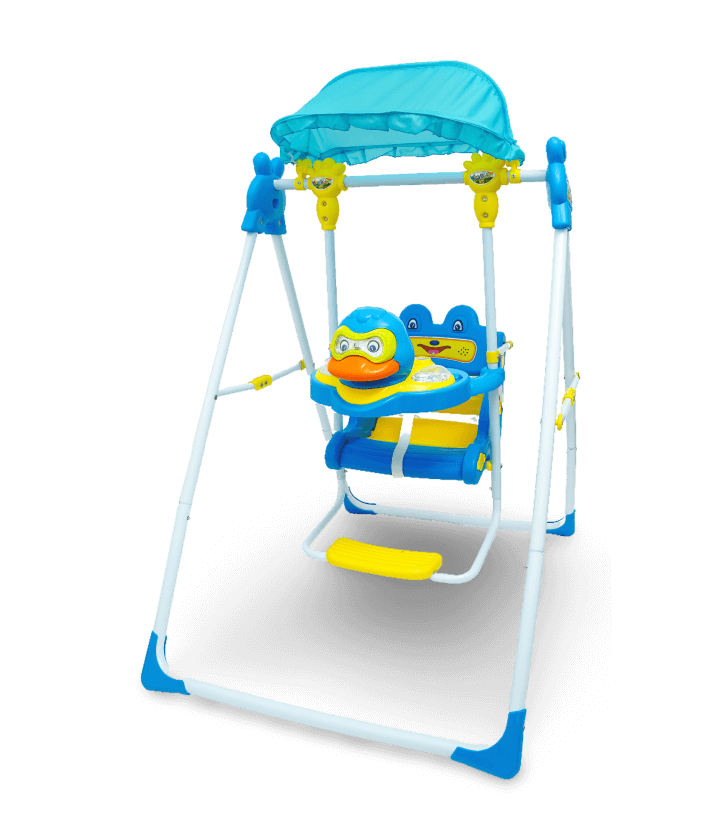
Toy Manufacturer India Bulk Pricing - Maximizing Value for Volume Orders

Toy manufacturer India bulk pricing offers tremendous opportunities for retailers, distributors, and businesses seeking to stock quality toys at competitive prices. Understanding how bulk pricing works with Indian toy manufacturers enables informed negotiations and maximum savings. When ordering toys in significant quantities, bulk pricing structures can reduce per-unit costs substantially, transforming toy distribution into a profitable business venture. This guide explores how Indian manufacturers structure bulk pricing, factors affecting costs, and strategies for securing the best possible terms.
The toy distribution business thrives on volume economics, and manufacturers in India have perfected pricing models that reward larger orders while remaining profitable.

Understanding Bulk Pricing Structures
Volume-Based Pricing Tiers
Toy manufacturer India typically offer pricing structured as:
-
500-1,000 units - Base pricing tier
-
1,000-5,000 units - 10-15% discount from base pricing
-
5,000-10,000 units - 15-25% discount from base pricing
-
10,000+ units - 25-40% discount negotiable based on specifics
Specific percentages vary by product type, manufacturer, and order complexity, but this tiered structure allows for significant savings with increased volume.
Minimum Order Quantities (MOQs)
Understanding MOQ policies helps in planning:
-
Standard MOQs typically range from 500-2,000 units
-
Negotiable MOQs for established relationships or exclusive products
-
Mixed MOQs allowing different products in single shipment
-
Sample MOQs often lower for prototype approval (50-100 units)
Price Breaks and Volume Commitments
Some manufacturers offer:
-
Incremental price reductions at each volume tier
-
Seasonal pricing variations based on production schedules
-
Quantity commitment discounts for orders over specified volumes
-
Multi-order pricing reducing costs for multiple shipments

Factors Affecting Bulk Pricing
Product Complexity and Type
Bulk pricing varies based on:
-
Simple toys (balls, blocks, basic plastic toys) - Lower costs, higher savings with volume
-
Complex toys (motorized, electronic, multi-piece sets) - Higher baseline costs, smaller percentage discounts
-
Customized products - Premium pricing with less aggressive bulk discounts
-
Licensed products - Licensing fees limit maximum discounts available
Raw Material Costs
Manufacturers consider:
-
Material market prices affecting base costs
-
Supply chain fluctuations impacting raw material availability
-
Commodity price trends for plastics, metals, and other materials
-
Currency exchange rates (relevant for international components)
Production Scheduling
Bulk orders benefit from:
-
Optimized production runs reducing per-unit labor costs
-
Off-season manufacturing when capacity is available
-
Scheduled production allowing efficient resource allocation
-
Reduced setup costs amortized across larger quantities
Shipping and Logistics
Volume orders achieve:
-
Full container loads (FCL) reducing per-unit shipping costs significantly
-
Consolidated shipments providing cost efficiency
-
Negotiated freight rates available for larger shipments
-
Reduced packaging waste through optimized logistics
Negotiating Better Bulk Pricing
Research and Market Knowledge
Before negotiating:
-
Know market rates for comparable products
-
Understand current material costs
-
Research competitor pricing
-
Calculate realistic margins needed for profitability
Building Relationships
Toy manufacturers offer better terms to:
-
Repeat customers with proven reliability
-
Long-term partners committing to ongoing orders
-
Respectful negotiators approaching discussions professionally
-
Reliable payers with good payment histories
Negotiation Strategies
Effective approaches include:
-
Volume commitments - Offering larger quantities for better pricing
-
Longer lead times - Providing advance notice for production planning
-
Flexible specifications - Accepting reasonable product variations
-
Payment arrangements - Offering favorable payment terms
-
Seasonal orders - Committing to off-season production for discounts
Payment Terms and Conditions
Negotiate favorable terms such as:
-
Advance deposit structures (30-50% upfront, remainder before shipment)
-
Payment terms (Net 30, Net 60 for established accounts)
-
Letters of credit for large orders ensuring both parties' interests
-
Partial shipments reducing working capital requirements
Bulk Ordering Strategies for Maximum Savings
Consolidation Approach
Combine multiple product orders to achieve:
-
Single MOQ achievement across multiple products
-
Consolidated shipments reducing logistics costs
-
Volume discounts applied to total orders
-
Simplified communications with one manufacturer
Seasonal Purchasing
Optimize pricing by:
-
Buying off-season (June-July, November-December for holiday toys)
-
Placing advance orders for upcoming seasons
-
Negotiating seasonal rates with manufacturers
-
Leveraging lower summer production costs for Christmas inventory
Long-Term Partnerships
Establish ongoing relationships offering:
-
Tiered loyalty discounts increasing with repeat orders
-
Predictable pricing for regular purchases
-
Priority production for consistent customers
-
Flexible terms accommodating business needs
Product Bundling
Combine products creatively:
-
Bundle complementary toys achieving volume in single SKU
-
Mix product types while maintaining MOQ
-
Create gift sets combining multiple items
-
Develop exclusive assortments differentiating from competitors
Understanding Hidden Costs in Bulk Orders
Careful Cost Analysis
Beyond per-unit pricing, consider:
-
Mold costs - Custom products may require mold investment
-
Tooling fees - One-time charges for custom production
-
Testing and certification - Costs for compliance verification
-
Packaging customization - Branded or special packaging costs
-
Logistics and shipping - International freight expenses
-
Duties and tariffs - Import taxes and regulatory fees
-
Insurance - Coverage for goods in transit
Working Capital Requirements
Bulk orders affect cash flow:
-
Larger upfront investment tied up in inventory
-
Storage and warehousing costs for large quantities
-
Shelf life and obsolescence risks
-
Seasonal demand affecting cash flow timing
Quality Assurance with Bulk Orders
Ensuring Quality at Scale
Toy manufacturer India bulk pricing shouldn't compromise quality:
-
Random batch testing - Request third-party testing of samples
-
Inspection protocols - Define specific quality checkpoints
-
Rejection criteria - Establish clear standards for accepting/rejecting shipments
-
Documentation - Require detailed testing reports accompanying shipments
-
Warranty terms - Clarify coverage for defective units
Managing Risk in Large Orders
Protect your investment through:
-
Sample approval before full production
-
Pilot shipments testing production quality
-
Insurance for goods in transit
-
Contingency plans for potential quality issues
-
Clear contracts specifying standards and remedies
Conclusion
Toy manufacturer India bulk pricing creates exceptional opportunities for businesses seeking to build profitable toy distribution operations. By understanding pricing structures, negotiating strategically, and implementing smart ordering practices, distributors can secure high-quality toys at costs enabling strong margins and competitive positioning. The key to maximizing bulk pricing benefits lies in building genuine partnerships with manufacturers, maintaining reliability, and approaching negotiations with realistic expectations and professional business practices. For those willing to invest in volume commitments, Indian toy manufacturers offer unmatched value propositions in the global toy industry.
FAQs - Toy Manufacturer India Bulk Pricing
1. What's the minimum order volume to get meaningful bulk discounts?
Meaningful discounts typically begin at 1,000-2,000 units depending on product type and manufacturer. Simple products achieve discounts at lower volumes, while complex or customized toys require larger minimum orders. Most manufacturers structure their first discount tier starting at 1,000 units with 10-15% savings. Negotiate specific thresholds based on your products.
2. Can I mix different products and still get bulk pricing?
Yes, many manufacturers offer mixed MOQs where you can combine different products to achieve volume discounts. For example, 500 units of Product A plus 500 units of Product B achieves your 1,000-unit MOQ. Always clarify the manufacturer's policy on mixing products and whether all products receive the same pricing or if costs vary.
3. How long is bulk pricing valid once quoted?
Quotations typically remain valid for 30 days, though longer validity periods are negotiable. Material price fluctuations and currency changes can affect pricing after extended periods. Request specific validity dates in writing and ask about price protection for longer lead times. Establish clear terms regarding what happens if material costs change before production.
4. Should I negotiate payment terms with bulk orders?
Absolutely. Large orders justify negotiating favorable payment terms. Standard terms often improve with volume: smaller orders may require 50% upfront with 50% before shipment, while large orders might achieve 30% advance deposit with 70% due upon invoice. Discuss terms openly; manufacturers expect negotiation on large orders.
5. What should I do if the first bulk order quality isn't what I expected?
Contact the manufacturer immediately with specific quality concerns and photographic documentation. Reputable manufacturers stand behind their work and offer corrective actions such as replacement units, partial refunds, or re-production of affected items. Always clarify quality standards and complaint procedures before placing orders to have clear recourse options if issues arise.
BIS Certified Toy Manufacturer India - Meeting India's Rigorous Safety Standards
Introduction
BIS certified toy manufacturer India represents manufacturers who have achieved certification from the Bureau of Indian Standards—India's apex body for standards development and implementation. A BIS certified toy manufacturer has undergone rigorous evaluation and maintains compliance with IS 9873-1, IS 9873-2, and other relevant Indian toy safety standards. For businesses operating in India or importing Indian toys, understanding BIS certification and what it guarantees is essential for ensuring product safety and legal compliance.
BIS certification is a mark of quality assurance and safety that Indian customers, retailers, and distributors rely upon when selecting toys.
Understanding BIS Certification
What Is BIS and Why It Matters
The Bureau of Indian Standards (BIS) is:
-
India's national standards body - Part of the Ministry of Consumer Affairs
-
Standards developer - Creating comprehensive product safety standards
-
Certification authority - Certifying manufacturers compliance with standards
-
Quality guarantor - Ensuring products meet defined safety benchmarks
For toy manufacturers, BIS certification indicates commitment to safety and regulatory compliance.
The BIS Certification Process
Manufacturers seeking BIS certified toy manufacturer status undergo:
-
Application - Submitting detailed manufacturing information
-
Document review - Evaluating quality manuals and procedures
-
Factory inspection - On-site assessment of manufacturing facilities
-
Sample testing - Third-party testing of product samples
-
Certification - Issuance of BIS certificate upon compliance
-
Ongoing surveillance - Regular audits ensuring continued compliance
Duration and Validity
-
Certificates are typically valid for 3 years
-
Manufacturers must undergo annual surveillance audits
-
Recertification required after the 3-year period
-
Compliance must be maintained continuously
BIS Standards for Toy Safety
Primary Standards for Toy Manufacturers
BIS certified toy manufacturers comply with:
IS 9873-1:2011 - Safety of Toys - Part 1: Safety Aspects Related to Mechanical and Physical Properties
-
Covers mechanical hazards (sharp points, edges, small parts)
-
Addresses physical durability and stress testing
-
Specifies appropriate toy construction for different ages
IS 9873-2:2015 - Safety of Toys - Part 2: Safety Aspects Related to Certain Substances in Toys
-
Limits on toxic substances and chemical contamination
-
Heavy metal restrictions in toy materials
-
Requirements for material safety and testing
Additional Relevant Standards
Depending on toy type, manufacturers may comply with:
-
IS 15486 - Electrical safety for electronic toys
-
IS 14110 - Safety requirements for finger paint toys
-
IS 9873-3 - Flammability standards for certain toys
What BIS Certification Guarantees
Safety Assurance
BIS certified toy manufacturers guarantee:
-
Mechanical safety - No sharp edges, small parts, or mechanical hazards
-
Chemical safety - No toxic substances or harmful additives
-
Age-appropriateness - Design suitable for intended age groups
-
Durability - Products withstand typical child use without breaking dangerously
-
Testing verification - Compliance verified through rigorous testing
Quality Standards
Certification ensures:
-
Consistent manufacturing processes across production
-
Documented quality procedures for product monitoring
-
Record-keeping systems enabling traceability
-
Corrective action procedures addressing quality issues
-
Employee training on safety and quality standards
Legal Compliance
BIS certification provides:
-
Regulatory compliance with Indian toy safety laws
-
Legal protection for manufacturers and sellers
-
Market access in India and export markets valuing BIS
-
Liability protection demonstrating good faith safety efforts
-
Consumer confidence in product safety
Identifying BIS Certified Manufacturers
The BIS Mark
Look for:
-
ISI mark on toys and packaging - The official BIS certification symbol
-
Manufacturer name and address on the mark
-
License number enabling verification
-
Standard number referenced (IS 9873-1, etc.)
Verification Methods
To confirm BIS certification:
-
Check the BIS website (www.bis.gov.in) - Verify certified manufacturer lists
-
Examine packaging - Look for official ISI marking
-
Request certificates - Legitimate manufacturers provide certification copies
-
Contact BIS directly - Confirm certification if unsure
-
Ask manufacturers - They should proudly display certification credentials
Benefits for Different Stakeholders
For Manufacturers
BIS certified toy manufacturers gain:
-
Market credibility - Recognized commitment to safety
-
Consumer trust - Parents seek BIS-certified products
-
Competitive advantage - Stand out from non-certified competitors
-
Export opportunities - Many international buyers value BIS certification
-
Reduced liability - Documented compliance protects against claims
For Retailers and Distributors
BIS certification ensures:
-
Product safety - Confidence in supplier quality
-
Legal compliance - Reduced regulatory risk
-
Customer satisfaction - Enhanced brand reputation
-
Reduced returns - Quality assurance minimizes defects
-
Easier sales - Consumers recognize and trust BIS mark
For Parents and Consumers
The BIS mark guarantees:
-
Safety assurance - Professional verification of product safety
-
Regulatory compliance - Meets Indian legal requirements
-
Quality confidence - Standards-based manufacturing
-
Peace of mind - Recognized third-party certification
-
Child protection - Products tested for hazards
Compliance Costs and Challenges
Investment Required
Achieving BIS certified toy manufacturer status requires:
-
Documentation development - Creating quality manuals and procedures
-
Testing and analysis - Laboratory testing of products
-
Facility upgrades - Potentially improving manufacturing conditions
-
Training programs - Staff education on standards compliance
-
Certification fees - BIS application and surveillance costs
Ongoing Maintenance
Manufacturers must invest in:
-
Annual surveillance audits - Verify continued compliance
-
Continuous testing - Monitor product batches for compliance
-
Documentation updates - Maintain current quality records
-
Staff training - Ongoing education on safety standards
-
Equipment maintenance - Ensure testing equipment accuracy
The Certification Journey
Small vs. Large Manufacturers
-
Large manufacturers often have established quality systems simplifying certification
-
Small manufacturers may require significant investment but gain significant competitive advantage
-
Newer manufacturers can build compliance into initial systems from startup
-
Existing non-certified manufacturers can implement changes and pursue certification
Conclusion
BIS certified toy manufacturer India represents the gold standard for toy safety and quality in India. The certification process, while requiring investment and commitment, ensures that toys reaching children are rigorously tested and comply with comprehensive safety standards. For manufacturers, this certification opens doors to market credibility and consumer trust. For retailers and parents, it provides assurance that toys bearing the ISI mark have met rigorous safety and quality benchmarks. In an era where child safety is paramount, the role of BIS-certified manufacturers in the toy industry cannot be overstated—they are the guardians of safe, quality play.
FAQs - BIS Certified Toy Manufacturer India
1. Is BIS certification mandatory for selling toys in India?
BIS certification is technically mandatory for toys sold in India under the Bureau of Indian Standards Act. However, enforcement varies and many non-certified toys are still sold in Indian markets. Despite this, retailers increasingly prefer BIS-certified products for legal protection and consumer trust. For serious toy businesses and exports, BIS certification is essential.
2. How long does the BIS certification process typically take?
The complete certification process generally takes 2-4 months from application to certificate issuance, assuming the manufacturer is already in compliance or requires only minor adjustments. The timeline includes document review (2-3 weeks), factory inspection (1-2 weeks), sample testing (3-4 weeks), and final certification. Simple products may be faster; complex products may take longer.
3. What happens if a BIS-certified manufacturer doesn't maintain standards?
BIS conducts annual surveillance audits to verify continued compliance. If issues are found, manufacturers receive notices to correct problems within specified timeframes. Failure to comply can result in warning letters, certificate suspension, or revocation. This ongoing surveillance ensures continuous compliance and protects consumers from manufacturing quality decline.
4. How much does BIS certification cost?
Costs typically include application fees (₹5,000-10,000), inspection and testing charges (₹20,000-50,000), and annual surveillance audit fees (₹10,000-20,000). Costs vary based on toy type and manufacturer size. While substantial, these investments are justified by market access, liability protection, and consumer trust benefits. Consider certification costs as business investment generating long-term returns.
5. Can a manufacturer be both BIS-certified and ISO-certified?
Yes, absolutely. Many manufacturers pursue both certifications. BIS focuses on product safety (Indian standards), while ISO 9001 addresses quality management systems. Together, they demonstrate comprehensive commitment to safety and quality. Manufacturers often find the experience of achieving one certification simplifies pursuing others, as many systems overlap and build upon each other.


