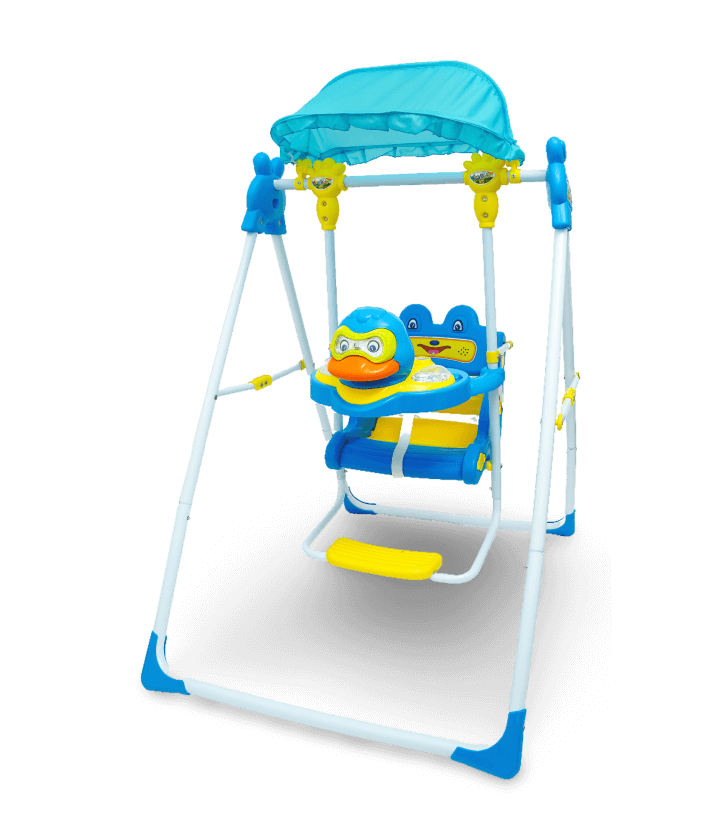
Educational Toys for Kids - Transforming Learning Through Intelligent Play

Educational toys for kids
10 mins reading time
Educational Toys for Kids - Transforming Learning Through Intelligent Play

Educational toys for kids represent one of the most powerful investments parents and educators can make in child development. Far beyond simple entertainment, educational toys are specifically designed learning tools that develop cognitive abilities, motor skills, creativity, and social-emotional intelligence while maintaining the joy and engagement of play. In today's competitive world where early learning outcomes significantly impact future success, educational toys have become essential components of quality childhood development.

Understanding what makes toys genuinely educational and how to select the right products for specific developmental stages empowers parents to maximize learning benefits.

The Science Behind Educational Toys

Developmental Benefits of Educational Play

Research consistently demonstrates that educational toys for kids:

  • Enhance cognitive development - Developing problem-solving and critical thinking skills

  • Build motor skills - Fine and gross motor development through manipulation and movement

  • Encourage language development - Vocabulary expansion and communication skills

  • Foster creativity - Imaginative thinking and artistic expression

  • Develop social skills - Cooperation, sharing, and emotional understanding

  • Support STEM learning - Foundation in science, technology, engineering, mathematics

  • Build confidence - Accomplishment and mastery experiences

How Play-Based Learning Works

Unlike passive learning, educational toys engage children actively:

  1. Discovery - Children explore and experiment with toys

  2. Experimentation - Testing different approaches and outcomes

  3. Learning - Understanding concepts through direct experience

  4. Application - Using knowledge in new situations

  5. Internalization - Converting experiences into lasting knowledge

This active process creates deeper, more lasting learning compared to passive instruction.


Types of Educational Toys by Learning Domain

STEM and Science Learning

Educational toys for kids in this category include:

  • Robotics kits - Programming and engineering fundamentals

  • Building and construction systems - Spatial reasoning and structural understanding

  • Science experiment kits - Hands-on exploration of scientific principles

  • Coding toys - Introduction to programming logic

  • Electronics and maker kits - Real-world application of electrical principles

Language and Literacy Development

Educational toys supporting language include:

  • Alphabet and letter puzzles - Letter recognition and phonics

  • Picture and word matching games - Vocabulary building

  • Interactive story books - Reading encouragement

  • Sound-based learning toys - Phonetic awareness

  • Multilingual toys - Exposure to additional languages

Math and Numeracy Skills

Mathematical learning through:

  • Counting and number toys - Number recognition and sequencing

  • Measurement and size-sorting games - Quantitative reasoning

  • Pattern and logic puzzles - Spatial and logical thinking

  • Money and trading games - Real-world math application

  • Geometry-based toys - Shape recognition and spatial relationships


Social-Emotional Learning

Educational toys fostering emotional intelligence:

  • Role-play sets - Understanding different perspectives and professions

  • Emotion-recognition toys - Identifying and naming feelings

  • Cooperative games - Teamwork and collaboration

  • Story-based toys - Character development and moral learning

  • Puzzle sets requiring cooperation - Social problem-solving

Creative and Artistic Expression

Nurturing creativity through:

  • Art supply sets - Drawing, painting, and creation

  • Music instruments - Rhythmic and melodic exploration

  • Craft and building kits - Design and construction

  • Imaginative play sets - Storytelling and creative scenarios

  • Musical composition toys - Sound creation and music theory basics

Age-Appropriate Educational Toy Selection

Infants and Toddlers (0-2 Years)

Priority developmental areas and toys:

  • Sensory exploration - High-contrast cards, textured toys, rattles

  • Motor development - Grasping toys, soft building blocks

  • Cause-and-effect - Simple push toys, musical boxes

  • Language exposure - Picture books, labeling toys

  • Safety emphasis - Soft edges, non-toxic materials, no small parts

Preschoolers (3-5 Years)

Expanding capabilities and learning toys:

  • Complex building systems - Multi-piece construction with varied elements

  • Puzzle-solving - 20-50 piece jigsaw and interlocking puzzles

  • Imaginative play - Role-play sets, dress-up costumes, story props

  • Early academics - Letters, numbers, basic reading preparation

  • Social play - Cooperative games, multi-player activities


Early Elementary (6-8 Years)

Advanced learning through toys:

  • STEM introduction - Science kits, basic coding robots

  • Complex puzzles - 100+ piece jigsaws, 3D puzzles

  • Strategy games - Chess, checkers, logic-based games

  • Creative projects - Advanced building systems, art projects

  • Reading and writing - Chapter books, writing-based games

Older Children (8+ Years)

Sophisticated learning opportunities:

  • Advanced STEM - Robotics competitions, advanced coding

  • Complex games - Strategy games, board games with multiple rules

  • Building projects - Advanced architecture and engineering sets

  • Research-based learning - Science experiment kits requiring interpretation

  • Collaborative projects - Group-based learning activities

Selecting Quality Educational Toys

Key Selection Criteria

Choose educational toys for kids by evaluating:

Learning Objective Clarity

  • What specific skills or concepts does the toy develop?

  • Are learning objectives aligned with your child's needs?

  • Does the toy support targeted developmental areas?

Age Appropriateness

  • Does complexity match your child's abilities?

  • Are recommended ages realistic for typical development?

  • Is there room for growth as skills develop?

Engagement and Interest

  • Does the toy align with your child's interests?

  • Will it hold attention for meaningful play duration?

  • Does it encourage repeated engagement?

Quality and Durability

  • Is construction sturdy for rough play?

  • Will it withstand extended use?

  • Are materials safe and non-toxic?

Open-Ended Play Potential

  • Can the toy be used in multiple ways?

  • Does it encourage creative thinking?

  • Will it remain engaging as child grows?


Maximizing Learning Benefits from Educational Toys

Active Engagement

Educational toys achieve maximum benefit through:

  • Parent/caregiver participation - Playing together enhances learning

  • Conversation and explanation - Discussing what's happening during play

  • Asking questions - Encouraging children to think critically

  • Allowing exploration - Letting children discover without interference

  • Celebrating learning - Acknowledging progress and effort

Strategic Toy Rotation

Optimize learning engagement by:

  • Rotating toys regularly - Maintaining novelty and interest

  • Combining complementary toys - Creating extended play scenarios

  • Introducing progressive challenges - Adding complexity as skills develop

  • Removing overly easy toys - Keeping challenge level appropriate

  • Re-introducing toys - Previously loved toys feel fresh after breaks

Creating Learning Environments

Support educational play through:

  • Dedicated play spaces - Organized areas encouraging engagement

  • Accessible materials - Toys within child's reach for independent play

  • Reduced distractions - Limiting competing stimuli during focused play

  • Comfortable conditions - Lighting, temperature, noise levels supporting concentration

  • Open-ended setup - Allowing children to determine how to use materials

The Balance Between Structured and Unstructured Play

Value of Both Approaches

Quality childhood includes:

  • Structured educational activities - Guided learning with specific objectives

  • Unstructured free play - Child-directed exploration and imagination

  • Hybrid approaches - Educational toys used in child-determined ways

  • Parental involvement - Sometimes guiding, sometimes observing

  • Independent play - Developing self-directed learning skills

The most developmentally beneficial approach combines both.

Red Flags When Selecting Educational Toys

Avoid toys that:

  • Make excessive claims without evidence ("guaranteed to increase IQ 30%")

  • Fail to engage children for meaningful duration

  • Appear unsafe or use toxic materials

  • Are age-inappropriate (too easy or impossibly difficult)

  • Allow only one type of use (not encouraging creativity)

  • Prioritize marketing over genuine educational value

Conclusion

Educational toys for kids represent far more than entertainment—they are sophisticated developmental tools supporting children's growth across cognitive, physical, social, and emotional domains. By selecting quality educational toys appropriate for developmental stage, supporting active engagement, and creating environments encouraging deep play, parents and educators maximize these powerful learning tools. The most successful childhood development combines love, support, and access to quality educational toys that inspire curiosity, encourage exploration, and support the natural joy of learning. In investing in educational toys, you're investing in your child's future success and happiness.

FAQs - Educational Toys for Kids

1. How do I know if a toy is truly educational rather than just marketed as educational?

Look for toys with clear, specific learning objectives rather than vague claims. Educational toys should have obvious ways they develop particular skills (puzzles for spatial reasoning, building sets for engineering, etc.). Research publisher recommendations and educator endorsements. Read parent reviews noting actual skill development observed. Be skeptical of marketing claims without supporting evidence.

2. Should I let my child play with educational toys without guidance?

Both guided and independent play have value. Guided play with parent involvement often accelerates learning and deepens engagement. However, independent play develops self-directed learning and problem-solving. The ideal balance includes both—some toy time with your child, some independent exploration. Quality educational toys work well in both contexts.

3. How many educational toys does a child need?

Quality beats quantity significantly. A child benefits more from a few excellent educational toys with extended engagement than numerous mediocre toys providing fleeting interest. Start with 3-5 age-appropriate toys targeting different developmental areas. Rotate toys to maintain novelty. Add toys as child masters current level. Fewer, quality toys encourage deeper play.

4. At what age should educational toys begin?

From birth. Even infants benefit from sensory toys supporting visual, auditory, and tactile development. Appropriate educational toys exist for every age from birth through adolescence. The key is matching complexity to developmental capabilities—simple for infants, progressively more complex as abilities grow.

5. Can educational toys replace formal learning and school?

Educational toys powerfully support and supplement formal learning but don't replace it. Toys excel at hands-on skill development and interest-based exploration. School provides structured academics, social interaction, and comprehensive curriculum. The most beneficial approach combines both—quality formal education supported by engaging educational toys at home.


Related Blogs

ISO Certified Toy Manufacturer India - Quality Management Excellence in Production

ISO Certified Toy Manufacturer India - Quality Management Excellence in Production

ISO certified toy manufacturer India represents manufacturers who have achieved International Organization for Standardization (ISO) certification—typically ISO 9001 for quality management systems. An ISO certified toy manufacturer has implemented documented, standardized processes ensuring consistent product quality, reliability, and continuous improvement. For international buyers, retailers, and distributors, ISO certification indicates a manufacturer's commitment to systematic quality management and operational excellence that extends beyond product safety into comprehensive business practices. ISO certification signals that a manufacturer operates with international-level organizational discipline and quality consciousness. Understanding ISO Certification in Toy Manufacturing What Is ISO 9001 Certification ISO 9001 is the world's most recognized quality management system standard: International standard - Recognized globally across industries Process-focused - Emphasizes systematic processes over individual components Continuous improvement - Built-in mechanisms for ongoing enhancement Customer-centric - Prioritizes customer satisfaction and feedback Risk-based thinking - Identifies and manages potential risks proactively For ISO certified toy manufacturers, this means implementing disciplined quality systems affecting every aspect of operations. The ISO 9001 Certification Process Achieving certification involves: Gap analysis - Evaluating current processes against ISO standards System development - Creating or enhancing quality management documentation Implementation - Rolling out new processes throughout the organization Internal audits - Testing compliance with ISO requirements Management review - Leadership evaluation of system effectiveness External audit - Third-party assessor evaluation Certification - Issuance of ISO 9001 certificate upon approval Certificate Validity and Surveillance Certificates are valid for 3 years Annual surveillance audits verify ongoing compliance Triennial recertification audits required for continued certification Continuous compliance is mandatory for certificate validity Benefits of ISO 9001 Certification for Toy Manufacturers Quality System Advantages ISO certified toy manufacturers benefit from: Documented processes - Clear procedures for every operation Standardized practices - Consistency across all production batches Quality control checkpoints - Systematic monitoring throughout production Traceability systems - Ability to track products and identify issues Corrective action procedures - Systematic problem-solving approaches Operational Efficiency Implementation of ISO systems typically results in: Reduced waste - Systematic elimination of inefficiencies Lower defect rates - Standardized processes minimize errors Improved productivity - Optimized workflows and procedures Cost savings - Reduced rework and scrap from better processes Better resource management - Systematic allocation of resources Market and Competitive Advantages ISO certified toy manufacturers enjoy: Global credibility - International recognition of quality commitment Enhanced reputation - Customers trust ISO-certified suppliers Market access - Many large buyers require ISO certification Competitive differentiation - Stand out from non-certified competitors Export facilitation - Easier entry into international markets ISO 9001 Implementation in Toy Manufacturing Key System Elements ISO certified toy manufacturers establish: Quality Policy and Objectives Clear commitment to quality and customer satisfaction Documented quality goals aligned with business strategy Communication of policy throughout the organization Process Management Mapping of all key business processes Documentation of standard operating procedures Definition of process responsibilities and authorities Establishment of performance metrics Resource Management Infrastructure adequate for quality objectives Competent personnel with appropriate training Document management systems Environmental management (facilities, equipment) Customer Focus Understanding customer requirements and expectations Feedback collection and analysis systems Customer satisfaction monitoring Complaint resolution procedures Continuous Improvement Data collection and analysis systems Internal audit procedures Management review processes Preventive and corrective action systems ISO Certification and Product Safety Complementary Relationship ISO 9001 certification works alongside safety certifications: BIS certification - Focuses on product safety standards ASTM/CE compliance - Addresses specific product safety requirements ISO 9001 - Ensures systematic quality management across operations Together, these create comprehensive quality and safety assurance. Enhanced Safety Through Systems ISO implementation improves safety by: Systematic testing - Documented testing procedures at defined intervals Component verification - Standardized supplier and component checking Documentation - Complete records of materials, processes, and outcomes Traceability - Ability to identify and track problematic batches Continuous monitoring - Regular assessment of product and process quality Choosing an ISO Certified Manufacturer Verification Methods To confirm ISO certification: Check the certificate - Legitimate manufacturers provide valid certificates Verify online - Many certification bodies maintain searchable registries Contact the certifier - Certification organizations can verify status Request documentation - Ask for scope certificate showing which products/processes are covered Assess depth - Quality manufacturers discuss their ISO system confidently Scope of Certification Important consideration: ISO certification scope specifies which products/processes are certified Partial certification - Some manufacturers certify only portions of operations Comprehensive certification - Covers all production and quality aspects Verification needed - Ensure relevant toy products fall within certified scope ISO Certification Costs and Timeline Investment Requirements Achieving ISO 9001 certification typically costs: Consulting services - ₹50,000-200,000+ for implementation assistance Training programs - ₹20,000-50,000 for staff education Certification audit - ₹30,000-100,000+ depending on organization size Documentation - Internal resources developing procedures Ongoing compliance - Annual audit fees (₹15,000-40,000+) Timeline Expectations Planning and preparation - 1-2 months System implementation - 3-6 months Internal auditing - 1-2 months External certification audit - 1-2 weeks Certificate issuance - Upon successful audit completion Total timeline typically ranges from 4-8 months from initial decision to certified status. Beyond ISO 9001 - Additional Certifications Other Relevant ISO Standards Progressive manufacturers also pursue: ISO 14001 - Environmental Management System certification ISO 45001 - Occupational Health and Safety Management ISO 50001 - Energy Management System certification ISO 13485 - Medical devices (if producing toy-medical device hybrids) These complementary certifications enhance reputation and demonstrate comprehensive commitment to excellence. Conclusion ISO certified toy manufacturer India represents manufacturers who have invested significantly in systematic quality management and continuous improvement. While ISO 9001 doesn't specifically address toy safety—that's handled by standards like BIS or ASTM—it ensures that whatever safety standards are set are consistently implemented through disciplined processes. For international buyers, retailers, and distributors, ISO certification provides confidence that manufacturers operate with world-class organizational discipline. Combined with product-specific safety certifications, ISO certification creates a complete quality assurance picture that protects consumers and ensures business reliability. In today's competitive global marketplace, ISO certification has become nearly essential for toy manufacturers aspiring to serve international markets and build long-term customer relationships. FAQs - ISO Certified Toy Manufacturer India 1. Is ISO 9001 the same as product safety certification? No, they serve different purposes. ISO 9001 is a quality management system certification addressing how a manufacturer operates systematically. Product safety certifications (BIS, ASTM, CE) specifically verify that toys meet safety standards. ISO doesn't certify safety; it certifies that the manufacturer has systematic processes ensuring consistent quality. Together, they provide comprehensive assurance. 2. How do I verify that a manufacturer's ISO certification is legitimate? Request a copy of the current certificate from the manufacturer. Verify the certification body (like TÜV, DNVGL, SGS) is reputable and internationally recognized. Contact the certification organization directly or check their online registry. Legitimate manufacturers provide certificates readily and aren't evasive about certification status. 3. Does ISO certification guarantee toy safety? ISO 9001 doesn't specifically guarantee toy safety—that requires safety-specific certifications (BIS, ASTM F963, CE marking). However, ISO systems improve consistency in implementing whatever safety procedures are in place. A truly quality-conscious manufacturer combines ISO 9001 with product-specific safety certifications for comprehensive assurance. 4. Can smaller toy manufacturers achieve ISO 9001 certification? Absolutely. ISO certification is scalable and available to organizations of any size. Smaller manufacturers often find ISO certification more challenging because they lack formal systems, but many successfully achieve it. The investment may be proportionally higher for smaller companies, but benefits—market access, customer confidence—often justify the cost. 5. How often must manufacturers renew ISO certification? ISO certificates are valid for three years, with annual surveillance audits maintaining certification validity. Manufacturers must undergo a complete recertification audit in year three to maintain continuous certification. Failure to pass surveillance audits can result in certificate suspension or revocation, making ongoing compliance essential.

Read Story
Toy Manufacturer India Bulk Pricing - Maximizing Value for Volume Orders

Toy Manufacturer India Bulk Pricing - Maximizing Value for Volume Orders

Toy manufacturer India bulk pricing offers tremendous opportunities for retailers, distributors, and businesses seeking to stock quality toys at competitive prices. Understanding how bulk pricing works with Indian toy manufacturers enables informed negotiations and maximum savings. When ordering toys in significant quantities, bulk pricing structures can reduce per-unit costs substantially, transforming toy distribution into a profitable business venture. This guide explores how Indian manufacturers structure bulk pricing, factors affecting costs, and strategies for securing the best possible terms. The toy distribution business thrives on volume economics, and manufacturers in India have perfected pricing models that reward larger orders while remaining profitable. Understanding Bulk Pricing Structures Volume-Based Pricing Tiers Toy manufacturer India typically offer pricing structured as: 500-1,000 units - Base pricing tier 1,000-5,000 units - 10-15% discount from base pricing 5,000-10,000 units - 15-25% discount from base pricing 10,000+ units - 25-40% discount negotiable based on specifics Specific percentages vary by product type, manufacturer, and order complexity, but this tiered structure allows for significant savings with increased volume. Minimum Order Quantities (MOQs) Understanding MOQ policies helps in planning: Standard MOQs typically range from 500-2,000 units Negotiable MOQs for established relationships or exclusive products Mixed MOQs allowing different products in single shipment Sample MOQs often lower for prototype approval (50-100 units) Price Breaks and Volume Commitments Some manufacturers offer: Incremental price reductions at each volume tier Seasonal pricing variations based on production schedules Quantity commitment discounts for orders over specified volumes Multi-order pricing reducing costs for multiple shipments Factors Affecting Bulk Pricing Product Complexity and Type Bulk pricing varies based on: Simple toys (balls, blocks, basic plastic toys) - Lower costs, higher savings with volume Complex toys (motorized, electronic, multi-piece sets) - Higher baseline costs, smaller percentage discounts Customized products - Premium pricing with less aggressive bulk discounts Licensed products - Licensing fees limit maximum discounts available Raw Material Costs Manufacturers consider: Material market prices affecting base costs Supply chain fluctuations impacting raw material availability Commodity price trends for plastics, metals, and other materials Currency exchange rates (relevant for international components) Production Scheduling Bulk orders benefit from: Optimized production runs reducing per-unit labor costs Off-season manufacturing when capacity is available Scheduled production allowing efficient resource allocation Reduced setup costs amortized across larger quantities Shipping and Logistics Volume orders achieve: Full container loads (FCL) reducing per-unit shipping costs significantly Consolidated shipments providing cost efficiency Negotiated freight rates available for larger shipments Reduced packaging waste through optimized logistics Negotiating Better Bulk Pricing Research and Market Knowledge Before negotiating: Know market rates for comparable products Understand current material costs Research competitor pricing Calculate realistic margins needed for profitability Building Relationships Toy manufacturers offer better terms to: Repeat customers with proven reliability Long-term partners committing to ongoing orders Respectful negotiators approaching discussions professionally Reliable payers with good payment histories Negotiation Strategies Effective approaches include: Volume commitments - Offering larger quantities for better pricing Longer lead times - Providing advance notice for production planning Flexible specifications - Accepting reasonable product variations Payment arrangements - Offering favorable payment terms Seasonal orders - Committing to off-season production for discounts Payment Terms and Conditions Negotiate favorable terms such as: Advance deposit structures (30-50% upfront, remainder before shipment) Payment terms (Net 30, Net 60 for established accounts) Letters of credit for large orders ensuring both parties' interests Partial shipments reducing working capital requirements Bulk Ordering Strategies for Maximum Savings Consolidation Approach Combine multiple product orders to achieve: Single MOQ achievement across multiple products Consolidated shipments reducing logistics costs Volume discounts applied to total orders Simplified communications with one manufacturer Seasonal Purchasing Optimize pricing by: Buying off-season (June-July, November-December for holiday toys) Placing advance orders for upcoming seasons Negotiating seasonal rates with manufacturers Leveraging lower summer production costs for Christmas inventory Long-Term Partnerships Establish ongoing relationships offering: Tiered loyalty discounts increasing with repeat orders Predictable pricing for regular purchases Priority production for consistent customers Flexible terms accommodating business needs Product Bundling Combine products creatively: Bundle complementary toys achieving volume in single SKU Mix product types while maintaining MOQ Create gift sets combining multiple items Develop exclusive assortments differentiating from competitors Understanding Hidden Costs in Bulk Orders Careful Cost Analysis Beyond per-unit pricing, consider: Mold costs - Custom products may require mold investment Tooling fees - One-time charges for custom production Testing and certification - Costs for compliance verification Packaging customization - Branded or special packaging costs Logistics and shipping - International freight expenses Duties and tariffs - Import taxes and regulatory fees Insurance - Coverage for goods in transit Working Capital Requirements Bulk orders affect cash flow: Larger upfront investment tied up in inventory Storage and warehousing costs for large quantities Shelf life and obsolescence risks Seasonal demand affecting cash flow timing Quality Assurance with Bulk Orders Ensuring Quality at Scale Toy manufacturer India bulk pricing shouldn't compromise quality: Random batch testing - Request third-party testing of samples Inspection protocols - Define specific quality checkpoints Rejection criteria - Establish clear standards for accepting/rejecting shipments Documentation - Require detailed testing reports accompanying shipments Warranty terms - Clarify coverage for defective units Managing Risk in Large Orders Protect your investment through: Sample approval before full production Pilot shipments testing production quality Insurance for goods in transit Contingency plans for potential quality issues Clear contracts specifying standards and remedies Conclusion Toy manufacturer India bulk pricing creates exceptional opportunities for businesses seeking to build profitable toy distribution operations. By understanding pricing structures, negotiating strategically, and implementing smart ordering practices, distributors can secure high-quality toys at costs enabling strong margins and competitive positioning. The key to maximizing bulk pricing benefits lies in building genuine partnerships with manufacturers, maintaining reliability, and approaching negotiations with realistic expectations and professional business practices. For those willing to invest in volume commitments, Indian toy manufacturers offer unmatched value propositions in the global toy industry. FAQs - Toy Manufacturer India Bulk Pricing 1. What's the minimum order volume to get meaningful bulk discounts? Meaningful discounts typically begin at 1,000-2,000 units depending on product type and manufacturer. Simple products achieve discounts at lower volumes, while complex or customized toys require larger minimum orders. Most manufacturers structure their first discount tier starting at 1,000 units with 10-15% savings. Negotiate specific thresholds based on your products. 2. Can I mix different products and still get bulk pricing? Yes, many manufacturers offer mixed MOQs where you can combine different products to achieve volume discounts. For example, 500 units of Product A plus 500 units of Product B achieves your 1,000-unit MOQ. Always clarify the manufacturer's policy on mixing products and whether all products receive the same pricing or if costs vary. 3. How long is bulk pricing valid once quoted? Quotations typically remain valid for 30 days, though longer validity periods are negotiable. Material price fluctuations and currency changes can affect pricing after extended periods. Request specific validity dates in writing and ask about price protection for longer lead times. Establish clear terms regarding what happens if material costs change before production. 4. Should I negotiate payment terms with bulk orders? Absolutely. Large orders justify negotiating favorable payment terms. Standard terms often improve with volume: smaller orders may require 50% upfront with 50% before shipment, while large orders might achieve 30% advance deposit with 70% due upon invoice. Discuss terms openly; manufacturers expect negotiation on large orders. 5. What should I do if the first bulk order quality isn't what I expected? Contact the manufacturer immediately with specific quality concerns and photographic documentation. Reputable manufacturers stand behind their work and offer corrective actions such as replacement units, partial refunds, or re-production of affected items. Always clarify quality standards and complaint procedures before placing orders to have clear recourse options if issues arise.  BIS Certified Toy Manufacturer India - Meeting India's Rigorous Safety Standards Introduction BIS certified toy manufacturer India represents manufacturers who have achieved certification from the Bureau of Indian Standards—India's apex body for standards development and implementation. A BIS certified toy manufacturer has undergone rigorous evaluation and maintains compliance with IS 9873-1, IS 9873-2, and other relevant Indian toy safety standards. For businesses operating in India or importing Indian toys, understanding BIS certification and what it guarantees is essential for ensuring product safety and legal compliance. BIS certification is a mark of quality assurance and safety that Indian customers, retailers, and distributors rely upon when selecting toys. Understanding BIS Certification What Is BIS and Why It Matters The Bureau of Indian Standards (BIS) is: India's national standards body - Part of the Ministry of Consumer Affairs Standards developer - Creating comprehensive product safety standards Certification authority - Certifying manufacturers compliance with standards Quality guarantor - Ensuring products meet defined safety benchmarks For toy manufacturers, BIS certification indicates commitment to safety and regulatory compliance. The BIS Certification Process Manufacturers seeking BIS certified toy manufacturer status undergo: Application - Submitting detailed manufacturing information Document review - Evaluating quality manuals and procedures Factory inspection - On-site assessment of manufacturing facilities Sample testing - Third-party testing of product samples Certification - Issuance of BIS certificate upon compliance Ongoing surveillance - Regular audits ensuring continued compliance Duration and Validity Certificates are typically valid for 3 years Manufacturers must undergo annual surveillance audits Recertification required after the 3-year period Compliance must be maintained continuously BIS Standards for Toy Safety Primary Standards for Toy Manufacturers BIS certified toy manufacturers comply with: IS 9873-1:2011 - Safety of Toys - Part 1: Safety Aspects Related to Mechanical and Physical Properties Covers mechanical hazards (sharp points, edges, small parts) Addresses physical durability and stress testing Specifies appropriate toy construction for different ages IS 9873-2:2015 - Safety of Toys - Part 2: Safety Aspects Related to Certain Substances in Toys Limits on toxic substances and chemical contamination Heavy metal restrictions in toy materials Requirements for material safety and testing Additional Relevant Standards Depending on toy type, manufacturers may comply with: IS 15486 - Electrical safety for electronic toys IS 14110 - Safety requirements for finger paint toys IS 9873-3 - Flammability standards for certain toys What BIS Certification Guarantees Safety Assurance BIS certified toy manufacturers guarantee: Mechanical safety - No sharp edges, small parts, or mechanical hazards Chemical safety - No toxic substances or harmful additives Age-appropriateness - Design suitable for intended age groups Durability - Products withstand typical child use without breaking dangerously Testing verification - Compliance verified through rigorous testing Quality Standards Certification ensures: Consistent manufacturing processes across production Documented quality procedures for product monitoring Record-keeping systems enabling traceability Corrective action procedures addressing quality issues Employee training on safety and quality standards Legal Compliance BIS certification provides: Regulatory compliance with Indian toy safety laws Legal protection for manufacturers and sellers Market access in India and export markets valuing BIS Liability protection demonstrating good faith safety efforts Consumer confidence in product safety Identifying BIS Certified Manufacturers The BIS Mark Look for: ISI mark on toys and packaging - The official BIS certification symbol Manufacturer name and address on the mark License number enabling verification Standard number referenced (IS 9873-1, etc.) Verification Methods To confirm BIS certification: Check the BIS website (www.bis.gov.in) - Verify certified manufacturer lists Examine packaging - Look for official ISI marking Request certificates - Legitimate manufacturers provide certification copies Contact BIS directly - Confirm certification if unsure Ask manufacturers - They should proudly display certification credentials Benefits for Different Stakeholders For Manufacturers BIS certified toy manufacturers gain: Market credibility - Recognized commitment to safety Consumer trust - Parents seek BIS-certified products Competitive advantage - Stand out from non-certified competitors Export opportunities - Many international buyers value BIS certification Reduced liability - Documented compliance protects against claims For Retailers and Distributors BIS certification ensures: Product safety - Confidence in supplier quality Legal compliance - Reduced regulatory risk Customer satisfaction - Enhanced brand reputation Reduced returns - Quality assurance minimizes defects Easier sales - Consumers recognize and trust BIS mark For Parents and Consumers The BIS mark guarantees: Safety assurance - Professional verification of product safety Regulatory compliance - Meets Indian legal requirements Quality confidence - Standards-based manufacturing Peace of mind - Recognized third-party certification Child protection - Products tested for hazards Compliance Costs and Challenges Investment Required Achieving BIS certified toy manufacturer status requires: Documentation development - Creating quality manuals and procedures Testing and analysis - Laboratory testing of products Facility upgrades - Potentially improving manufacturing conditions Training programs - Staff education on standards compliance Certification fees - BIS application and surveillance costs Ongoing Maintenance Manufacturers must invest in: Annual surveillance audits - Verify continued compliance Continuous testing - Monitor product batches for compliance Documentation updates - Maintain current quality records Staff training - Ongoing education on safety standards Equipment maintenance - Ensure testing equipment accuracy The Certification Journey Small vs. Large Manufacturers Large manufacturers often have established quality systems simplifying certification Small manufacturers may require significant investment but gain significant competitive advantage Newer manufacturers can build compliance into initial systems from startup Existing non-certified manufacturers can implement changes and pursue certification Conclusion BIS certified toy manufacturer India represents the gold standard for toy safety and quality in India. The certification process, while requiring investment and commitment, ensures that toys reaching children are rigorously tested and comply with comprehensive safety standards. For manufacturers, this certification opens doors to market credibility and consumer trust. For retailers and parents, it provides assurance that toys bearing the ISI mark have met rigorous safety and quality benchmarks. In an era where child safety is paramount, the role of BIS-certified manufacturers in the toy industry cannot be overstated—they are the guardians of safe, quality play. FAQs - BIS Certified Toy Manufacturer India 1. Is BIS certification mandatory for selling toys in India? BIS certification is technically mandatory for toys sold in India under the Bureau of Indian Standards Act. However, enforcement varies and many non-certified toys are still sold in Indian markets. Despite this, retailers increasingly prefer BIS-certified products for legal protection and consumer trust. For serious toy businesses and exports, BIS certification is essential. 2. How long does the BIS certification process typically take? The complete certification process generally takes 2-4 months from application to certificate issuance, assuming the manufacturer is already in compliance or requires only minor adjustments. The timeline includes document review (2-3 weeks), factory inspection (1-2 weeks), sample testing (3-4 weeks), and final certification. Simple products may be faster; complex products may take longer. 3. What happens if a BIS-certified manufacturer doesn't maintain standards? BIS conducts annual surveillance audits to verify continued compliance. If issues are found, manufacturers receive notices to correct problems within specified timeframes. Failure to comply can result in warning letters, certificate suspension, or revocation. This ongoing surveillance ensures continuous compliance and protects consumers from manufacturing quality decline. 4. How much does BIS certification cost? Costs typically include application fees (₹5,000-10,000), inspection and testing charges (₹20,000-50,000), and annual surveillance audit fees (₹10,000-20,000). Costs vary based on toy type and manufacturer size. While substantial, these investments are justified by market access, liability protection, and consumer trust benefits. Consider certification costs as business investment generating long-term returns. 5. Can a manufacturer be both BIS-certified and ISO-certified? Yes, absolutely. Many manufacturers pursue both certifications. BIS focuses on product safety (Indian standards), while ISO 9001 addresses quality management systems. Together, they demonstrate comprehensive commitment to safety and quality. Manufacturers often find the experience of achieving one certification simplifies pursuing others, as many systems overlap and build upon each other.  

Read Story
Toy Manufacturer India Export Ready - Global Standards, Local Excellence

Toy Manufacturer India Export Ready - Global Standards, Local Excellence

Toy manufacturer India export ready describes manufacturers who have invested significantly in meeting international standards, certifications, and quality protocols required for global trade. An export-ready toy manufacturer isn't just manufacturing locally; they're producing to rigorous standards that satisfy customers worldwide. Understanding what makes a manufacturer export-ready helps importers, retailers, and distributors identify reliable partners capable of meeting demanding international requirements while delivering competitive pricing. India's position as a global toy manufacturing hub depends largely on manufacturers who have invested in export readiness, positioning themselves as trustworthy international partners. What Makes a Toy Manufacturer Export Ready International Certifications and Compliance Export-ready toy manufacturers maintain: CPSIA compliance (USA) - Consumer Product Safety Improvement Act standards CE marking (Europe) - Meeting EN 71 and related European standards ASTM F963 - American Society for Testing and Materials toy safety standards BIS certification (India) - Bureau of Indian Standards requirements ISO 9001 - Quality management system certification ISO 14001 - Environmental management certifications Documentation and Traceability Systems Export-ready manufacturers provide: Complete product documentation and testing reports Material safety data sheets (MSDS) for all components Certificate of Origin for customs clearance Detailed product specifications and compliance records Traceability systems tracking raw materials through production Quality Management Infrastructure Toy manufacturer India export ready operations feature: Advanced testing laboratories with international-standard equipment Documented quality procedures and checkpoints Regular audits and compliance verification Third-party inspection arrangements Corrective action systems for quality issues Export Documentation and Customs Requirements Essential Export Documentation Reputable manufacturers handle: Commercial invoices with detailed product descriptions Packing lists specifying packaging contents and quantities Certificates of compliance for applicable standards Health and safety documentation for destination markets Licenses and permits as required by destination countries Customs and Logistics Expertise Export-ready manufacturers understand: HS codes and proper product classification Export regulations for destination countries Shipping documentation requirements Insurance for international shipments Freight forwarding coordination Compliance with Global Standards US Market Requirements Export-ready toy manufacturers comply with: CPSIA regulations on lead content and phthalates ASTM F963 toy safety standards FDA regulations for food-contact toys State-specific requirements (California Proposition 65, etc.) Proper labeling in English European Market Requirements For EU distribution: CE marking and EN 71 compliance REACH Regulation compliance (chemical safety) RoHS Directive compliance (hazardous substances) Language labeling in destination country language Product documentation in specified formats Other Major Markets Export-ready manufacturers also comply with: Australian standards (AS/NZS ISO/IEC Guide 71) Canadian regulations (Canadian Consumer Product Safety Act) Japanese standards (Japanese Toy Association standards) UK regulations (UK toy regulations post-Brexit) Supply Chain and Logistics Excellence Reliability and Consistency Export-ready manufacturers demonstrate: Consistent on-time delivery of shipments Reliable supply chain with backup suppliers Scalable production meeting various volume requirements Responsive communication addressing import concerns Problem resolution when issues arise Shipping and Logistics Solutions Quality manufacturers offer: Multiple shipping options (sea, air, express) Packaging expertise ensuring products arrive safely Insurance arrangements protecting cargo Customs clearance support expediting delivery Tracking systems providing shipment visibility Quality Assurance for Export Products Rigorous Testing Procedures Export-ready manufacturers implement: Random sampling from production batches Destructive testing evaluating durability and safety Chemical testing verifying material safety Functional testing ensuring product performance Aging and stress testing simulating extended use Documentation and Certification Quality assurance includes: Third-party laboratory testing from accredited facilities Testing reports accompanying shipments Compliance certificates for all applicable standards Batch documentation enabling traceability Records retention for warranty and recall purposes Building Long-Term Export Relationships Communication and Partnership Successful export-ready toy manufacturers prioritize: Clear communication about capabilities and limitations Transparency in pricing and delivery timelines Responsiveness to inquiries and concerns Flexibility accommodating reasonable requests Continuous improvement based on customer feedback Technical Support and Problem-Solving Reliable manufacturers provide: Technical documentation in English Support for customs and regulatory questions Assistance with product modifications Solutions for quality concerns Collaboration on new product development Comparing Export-Ready vs. Standard Manufacturers Key Differences Aspect Export-Ready Standard Certifications Multiple international certifications Limited certifications Documentation Comprehensive with compliance records Basic documentation Testing Rigorous third-party testing Limited quality checks Communication Responsive, English-capable Limited responsiveness Reliability Consistent on-time delivery Variable timelines Support Proactive technical support Minimal support Scalability Flexible with volume changes Less flexible Choosing Your Export-Ready Manufacturer Due Diligence Steps Verify certifications through independent sources Request references from other international clients Ask about testing facilities and quality procedures Clarify delivery capabilities and timelines Evaluate communication responsiveness and clarity Discuss problem resolution procedures Review compliance documentation for your target markets Conclusion Toy manufacturer India export ready represents the gold standard in international toy manufacturing. These manufacturers have invested significantly in infrastructure, certifications, and expertise required for global commerce. By choosing an export-ready manufacturer, importers and distributors gain a reliable partner who understands international requirements, maintains rigorous quality standards, and provides professional support throughout the business relationship. In an increasingly competitive global marketplace, partnering with export-ready manufacturers ensures compliance, quality, and the dependability essential for building successful international toy distribution businesses. FAQs - Toy Manufacturer India Export Ready 1. How do I verify that a manufacturer is truly export ready? Request copies of international certifications (CPSIA, CE marking, ASTM, ISO), verify certifications through issuing organizations, ask for references from other international clients, review their testing laboratory capabilities, and inquire about their experience with your target markets. Visit their facility if possible, and ask specifically about export experience and volume handled. 2. What's the difference between local compliance and export readiness? Local compliance means meeting Indian standards (BIS certification). Export readiness includes local compliance plus certifications for destination markets (CPSIA for US, CE for Europe, etc.). Export-ready manufacturers understand multiple market requirements and maintain infrastructure for rigorous testing and documentation needed for international trade. 3. Do export-ready manufacturers charge premium prices? Export-ready manufacturers typically price slightly higher due to quality infrastructure, testing, and certifications. However, the price difference is modest—usually 5-15%—and justified by reduced risk, reliable delivery, and minimized compliance issues. Volume discounts often offset the premium, making total costs competitive. 4. How are export-ready manufacturers different in handling large orders? Export-ready manufacturers excel with large orders by having scalable production, reliable supply chains, established quality checkpoints, and proven shipping logistics. They provide better documentation, more reliable timelines, and professional handling of complex orders. They're experienced with customs clearance and international logistics requirements. 5. What happens if compliance issues arise after export? Reputable export-ready manufacturers maintain liability insurance and offer corrective action plans. They typically provide warranties covering compliance issues and work to resolve problems promptly. Always clarify warranty terms, insurance coverage, and problem resolution procedures before placing orders to understand your protection.  

Read Story
Read all stories