Battery Operated Toy Manufacturer - Innovation That Powers Childhood Fun

Battery operated toy manufacturers
8 mins reading time
Battery Operated Toy Manufacturer - Innovation That Powers Childhood Fun

Battery operated toy manufacturers have revolutionized the toy industry by creating interactive, engaging products that captivate children's imaginations in ways static toys simply cannot. From light-up robots to moving vehicles and musical instruments, battery operated toys represent a significant segment of the global toy market. As a parent or retailer, understanding what sets quality battery operated toy manufacturers apart can help you make informed purchasing decisions that prioritize both entertainment value and safety.

The manufacturing of battery-operated toys demands specialized expertise in electronics integration, safety protocols, and age-appropriate design. Leading manufacturers combine these technical skills with creative innovation to produce toys that are not just fun, but developmental and inspiring as well.

Why Battery Operated Toys Matter in Modern Childhood

Engagement and Interactive Learning

Battery operated toy manufacturers create products that offer multi-sensory engagement. Lights, sounds, and movement capture children's attention and encourage exploration, making learning feel like pure entertainment. These toys often incorporate educational elements—teaching colors, numbers, languages, or scientific concepts—through interactive play experiences.

Development of Cause-and-Effect Understanding

Young children thrive on understanding how their actions produce results. Battery-operated toys provide immediate, clear feedback that reinforces cause-and-effect relationships, which is fundamental to cognitive development. When a child presses a button and a robot dances, they're learning about consequences and control.

Extended Play Value

The interactive nature of battery-operated toys often means longer play sessions compared to static toys. Battery operated toy manufacturers understand that extended engagement translates to better value for parents and higher satisfaction rates.
Categories of Battery Operated Toys

Electronic Vehicles and Ride-Ons

Top battery operated toy manufacturers produce:

  • Remote-controlled cars and vehicles - building hand-eye coordination and spatial awareness

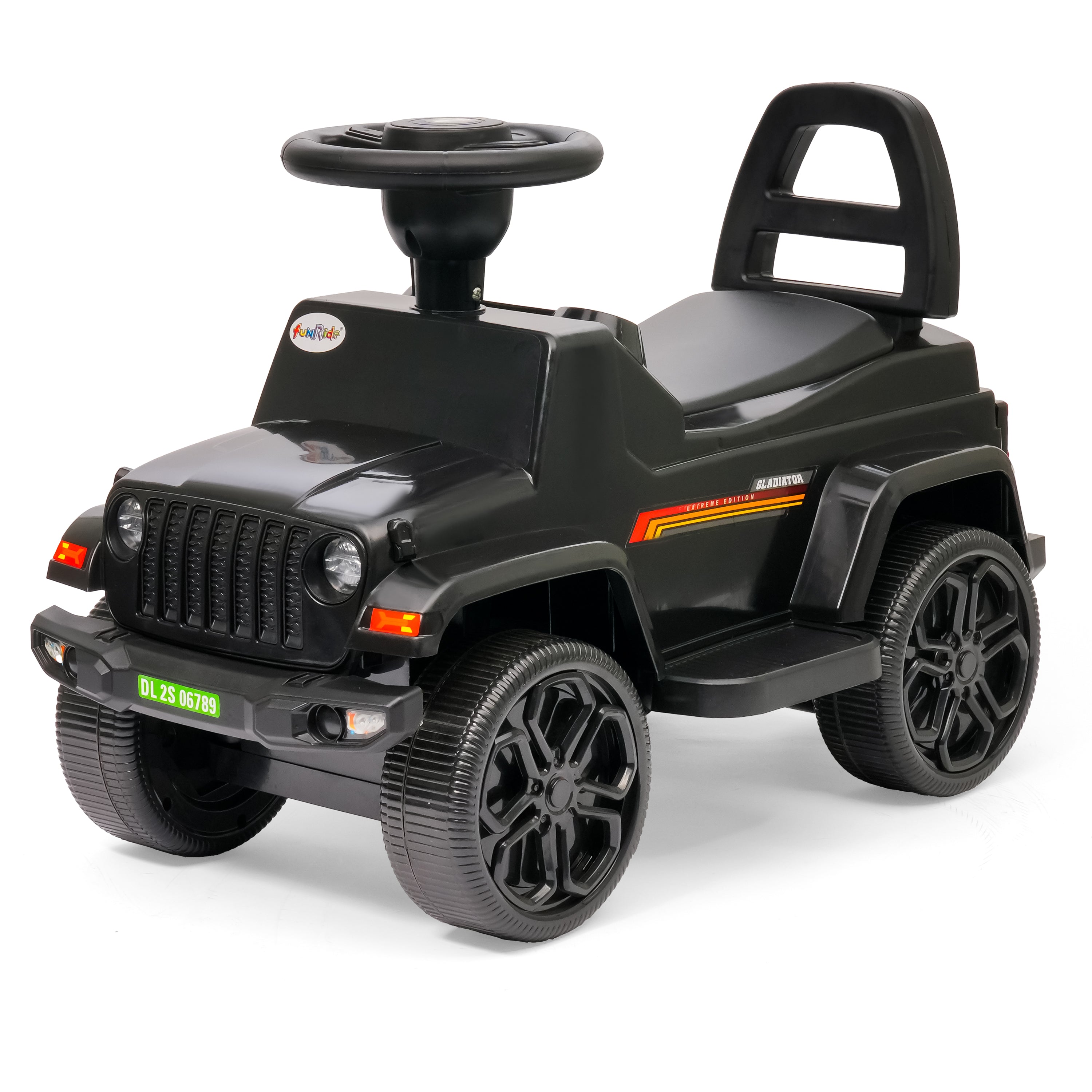
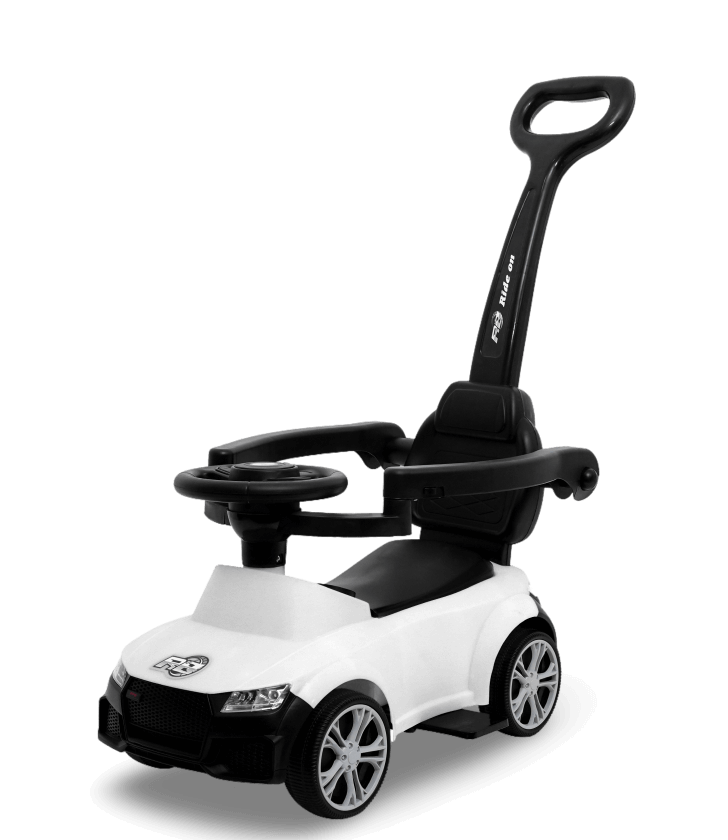
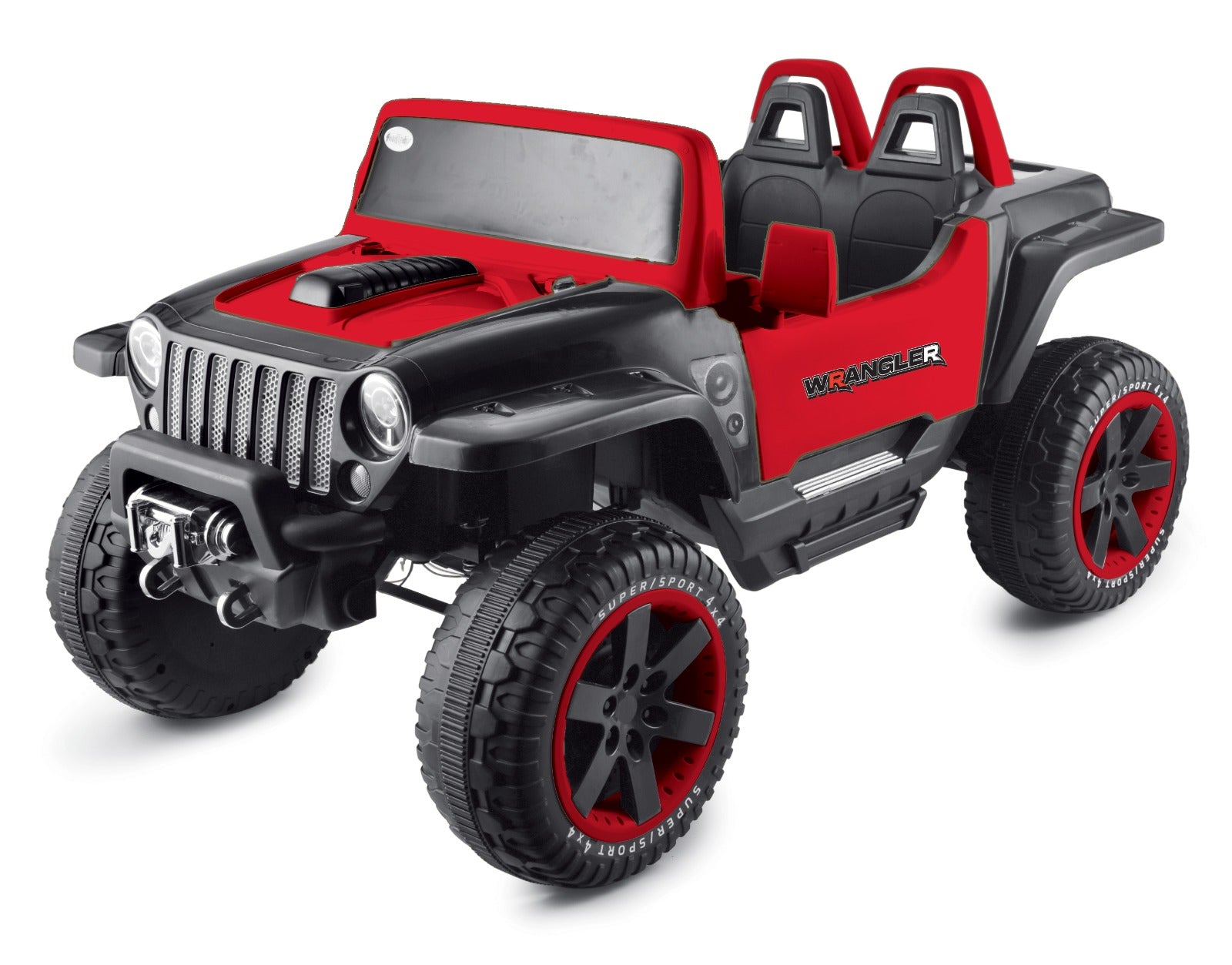
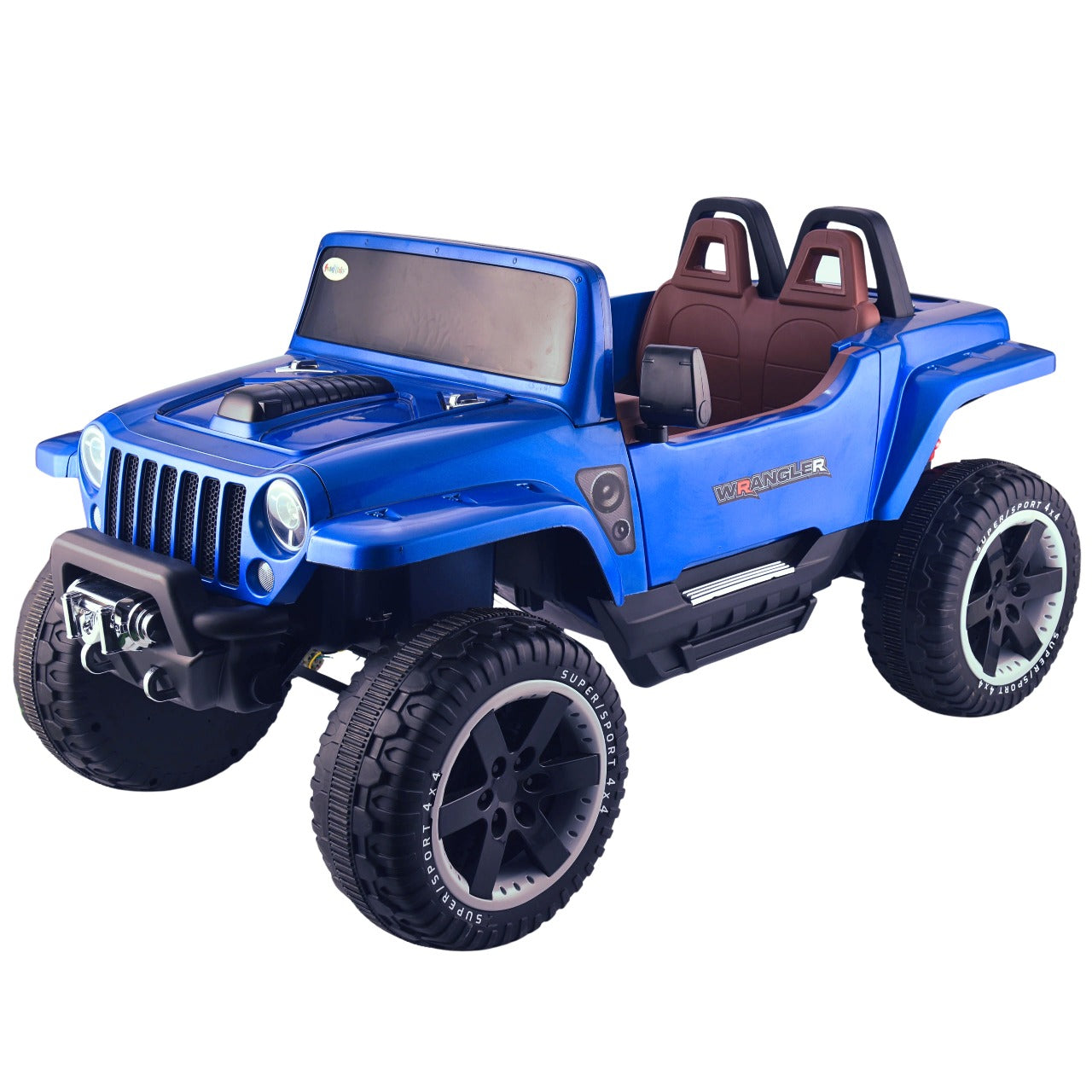
  • Electric ride-on toys - encouraging outdoor physical activity

  • Construction vehicle replicas - combining realistic play with motorized action

  • Track and path vehicles - creating structured play environments

Interactive Characters and Robots

These products combine entertainment with engagement:

  • Dancing and singing characters with motion sensors

  • Educational robots teaching coding and programming basics

  • Responsive plush toys with sound and movement

  • Interactive animal companions with various features

Musical and Sensory Toys

Battery operated toy manufacturers create sensory-rich experiences through:

  • Electronic musical instruments for toddlers and children

  • Light-up music boxes and sound toys

  • Keyboard instruments with learning modes

  • DJ and music-making stations for creative expression

Action and Adventure Sets

From dinosaurs to superheroes:

  • Motorized dinosaurs with roaring sounds and movement

  • Action figure sets with motorized elements

  • Theme-based playsets with electronic components

  • Interactive storytelling toys with sound effects
What Distinguishes Quality Battery Operated Toy Manufacturers

Electronics Expertise

Quality battery operated toy manufacturers employ engineers who understand:

  • Power management - ensuring efficient battery use and appropriate play duration

  • Safety circuitry - protecting young users from electrical hazards

  • Component integration - seamlessly combining electronic elements with toy design

  • Durability engineering - creating products that withstand drops, water exposure, and rough play

Safety Standards for Electronic Toys

Rigorous manufacturers maintain:

  • Battery compartment security - preventing children from accessing batteries

  • Low voltage compliance - ensuring all electronic components are child-safe

  • Thermal management - preventing overheating during extended use

  • EMF and radiation testing - confirming products meet health and safety standards

  • Waterproofing and durability - protecting electronics from environmental damage

Quality Control for Complex Products

Battery-operated toys are more complex than standard toys, requiring:

  • Multiple testing stages for electronic functionality

  • Quality checks at component, assembly, and final product stages

  • Reliability testing simulating extended use patterns

  • Random batch testing for safety compliance

Battery Technology and Sustainability

Modern Power Solutions

Progressive battery operated toy manufacturers are adopting:

  • Rechargeable battery options - reducing waste and long-term costs

  • USB charging capabilities - improving convenience for modern families

  • Solar-powered elements - introducing sustainable energy options

  • Efficient LED technology - maximizing battery life and brightness

Environmental Responsibility

Leading manufacturers consider:

  • Battery recycling programs and information

  • Sustainable sourcing for electronic components

  • Reduced packaging waste

  • Energy-efficient design throughout the product lifecycle

Design Considerations for Battery Operated Toys

Age-Appropriate Complexity

Battery operated toy manufacturers must balance sophistication with usability:

  • Toddlers (1-3 years) - Simple one-button activation, bright lights and sounds

  • Preschoolers (3-5 years) - Multiple features, basic interaction patterns

  • Early elementary (5-8 years) - Complex interactions, multi-step play sequences

  • Older children (8+) - Advanced features like programming or app connectivity

Safety Features in Interactive Play

Smart manufacturers incorporate:

  • Auto-shutoff features to prevent overheating and battery drain

  • Volume limitations protecting hearing development

  • Non-toxic materials for all components

  • Secure housing preventing access to electronic elements

The Manufacturing Process for Electronic Toys

1. Component Sourcing

Reliable manufacturers:

  • Source quality electronic components from verified suppliers

  • Test components before integration into toys

  • Maintain backup suppliers for supply chain resilience

  • Verify all components meet relevant safety standards

2. Circuit Design and Testing

Careful engineering includes:

  • Prototype circuit testing and validation

  • Safety circuit integration

  • Durability testing for extended use

  • Compliance verification with electrical standards

3. Assembly and Integration

Production involves:

  • Electronic component placement and soldering

  • Housing and structural assembly

  • Quality checks at multiple stages

  • Battery compartment security verification

4. Testing and Quality Assurance

Comprehensive testing ensures:

  • Functional testing of all electronic features

  • Safety testing of electrical components

  • Durability testing simulating child use patterns

  • Final inspection before packaging

Cost Considerations and Value

Pricing Structure

Battery-operated toys typically cost more than non-electronic alternatives due to:

  • Electronic components and assembly

  • Rigorous testing and quality assurance

  • Safety compliance measures

  • Warranty and replacement batteries

However, the extended play value and developmental benefits often justify the investment.

Bulk Purchasing Benefits

Retailers and organizations buying in volume can negotiate:

  • Significant per-unit price reductions

  • Customization options (branding, packaging)

  • Extended payment terms

  • Technical support and warranty enhancements

Conclusion

Battery operated toy manufacturers represent the intersection of innovation, engineering, and childhood development. Quality manufacturers understand that electronic toys must deliver entertainment value while prioritizing safety and developmental appropriateness. Whether you're selecting toys for your child, stocking retail shelves, or sourcing for institutional use, choosing products from reputable battery operated toy manufacturers ensures you're investing in quality, safety, and genuine developmental support. The best manufacturers don't just power toys—they power imagination, learning, and countless hours of joyful childhood memories.

FAQs - Battery Operated Toy Manufacturer

1. How long do batteries typically last in children's toys?

Battery life varies significantly based on product type, usage intensity, and battery quality. Most battery-operated toys provide 8-20 hours of continuous play, though this can vary. High-quality manufacturers design for extended battery life and clearly indicate expected duration. Factors affecting lifespan include feature complexity, sound volume levels, and LED brightness. Always check product specifications for battery life estimates.

2. Are rechargeable batteries safer than disposable batteries in toys?

Both are safe when properly integrated by quality manufacturers. Rechargeable batteries (Li-ion or NiMH) offer environmental benefits and reduce long-term costs, while disposable batteries are convenient for immediate replacement. The key safety factor is secure battery compartment design, which prevents children from accessing batteries. Quality manufacturers ensure compartments are difficult for small hands to open.

3. What electronic safety certifications should I look for?

Important certifications for battery-operated toys include FCC (US electromagnetic compatibility), CE marking (European safety), RoHS compliance (hazardous substance restrictions), and ASTM F963 (US toy safety). Manufacturers should also comply with local electrical safety standards. Verify certifications are current and from reputable testing organizations.

4. Can battery-operated toys get wet or be used near water?

Most battery-operated toys are not waterproof and should be kept away from water. Some manufacturers create water-resistant versions specifically labeled for bath time or pool play. Never assume a toy is waterproof unless explicitly stated. Water infiltration can cause electrical hazards and product failure. Always read safety instructions regarding water exposure.

5. What's the typical lifespan of a battery-operated toy?

With proper care, quality battery-operated toys can last several years. Durability depends on manufacturing quality, play intensity, and maintenance. Protecting toys from drops and rough handling extends lifespan. Most quality manufacturers provide 1-2 year warranties. Expected lifespan ranges from 2-5 years for typical home use, though heavier commercial use may shorten this.

Related Blogs

Toy Manufacturer India Bulk Pricing - Maximizing Value for Volume Orders

Toy Manufacturer India Bulk Pricing - Maximizing Value for Volume Orders

Toy manufacturer India bulk pricing offers tremendous opportunities for retailers, distributors, and businesses seeking to stock quality toys at competitive prices. Understanding how bulk pricing works with Indian toy manufacturers enables informed negotiations and maximum savings. When ordering toys in significant quantities, bulk pricing structures can reduce per-unit costs substantially, transforming toy distribution into a profitable business venture. This guide explores how Indian manufacturers structure bulk pricing, factors affecting costs, and strategies for securing the best possible terms. The toy distribution business thrives on volume economics, and manufacturers in India have perfected pricing models that reward larger orders while remaining profitable. Understanding Bulk Pricing Structures Volume-Based Pricing Tiers Toy manufacturer India typically offer pricing structured as: 500-1,000 units - Base pricing tier 1,000-5,000 units - 10-15% discount from base pricing 5,000-10,000 units - 15-25% discount from base pricing 10,000+ units - 25-40% discount negotiable based on specifics Specific percentages vary by product type, manufacturer, and order complexity, but this tiered structure allows for significant savings with increased volume. Minimum Order Quantities (MOQs) Understanding MOQ policies helps in planning: Standard MOQs typically range from 500-2,000 units Negotiable MOQs for established relationships or exclusive products Mixed MOQs allowing different products in single shipment Sample MOQs often lower for prototype approval (50-100 units) Price Breaks and Volume Commitments Some manufacturers offer: Incremental price reductions at each volume tier Seasonal pricing variations based on production schedules Quantity commitment discounts for orders over specified volumes Multi-order pricing reducing costs for multiple shipments Factors Affecting Bulk Pricing Product Complexity and Type Bulk pricing varies based on: Simple toys (balls, blocks, basic plastic toys) - Lower costs, higher savings with volume Complex toys (motorized, electronic, multi-piece sets) - Higher baseline costs, smaller percentage discounts Customized products - Premium pricing with less aggressive bulk discounts Licensed products - Licensing fees limit maximum discounts available Raw Material Costs Manufacturers consider: Material market prices affecting base costs Supply chain fluctuations impacting raw material availability Commodity price trends for plastics, metals, and other materials Currency exchange rates (relevant for international components) Production Scheduling Bulk orders benefit from: Optimized production runs reducing per-unit labor costs Off-season manufacturing when capacity is available Scheduled production allowing efficient resource allocation Reduced setup costs amortized across larger quantities Shipping and Logistics Volume orders achieve: Full container loads (FCL) reducing per-unit shipping costs significantly Consolidated shipments providing cost efficiency Negotiated freight rates available for larger shipments Reduced packaging waste through optimized logistics Negotiating Better Bulk Pricing Research and Market Knowledge Before negotiating: Know market rates for comparable products Understand current material costs Research competitor pricing Calculate realistic margins needed for profitability Building Relationships Toy manufacturers offer better terms to: Repeat customers with proven reliability Long-term partners committing to ongoing orders Respectful negotiators approaching discussions professionally Reliable payers with good payment histories Negotiation Strategies Effective approaches include: Volume commitments - Offering larger quantities for better pricing Longer lead times - Providing advance notice for production planning Flexible specifications - Accepting reasonable product variations Payment arrangements - Offering favorable payment terms Seasonal orders - Committing to off-season production for discounts Payment Terms and Conditions Negotiate favorable terms such as: Advance deposit structures (30-50% upfront, remainder before shipment) Payment terms (Net 30, Net 60 for established accounts) Letters of credit for large orders ensuring both parties' interests Partial shipments reducing working capital requirements Bulk Ordering Strategies for Maximum Savings Consolidation Approach Combine multiple product orders to achieve: Single MOQ achievement across multiple products Consolidated shipments reducing logistics costs Volume discounts applied to total orders Simplified communications with one manufacturer Seasonal Purchasing Optimize pricing by: Buying off-season (June-July, November-December for holiday toys) Placing advance orders for upcoming seasons Negotiating seasonal rates with manufacturers Leveraging lower summer production costs for Christmas inventory Long-Term Partnerships Establish ongoing relationships offering: Tiered loyalty discounts increasing with repeat orders Predictable pricing for regular purchases Priority production for consistent customers Flexible terms accommodating business needs Product Bundling Combine products creatively: Bundle complementary toys achieving volume in single SKU Mix product types while maintaining MOQ Create gift sets combining multiple items Develop exclusive assortments differentiating from competitors Understanding Hidden Costs in Bulk Orders Careful Cost Analysis Beyond per-unit pricing, consider: Mold costs - Custom products may require mold investment Tooling fees - One-time charges for custom production Testing and certification - Costs for compliance verification Packaging customization - Branded or special packaging costs Logistics and shipping - International freight expenses Duties and tariffs - Import taxes and regulatory fees Insurance - Coverage for goods in transit Working Capital Requirements Bulk orders affect cash flow: Larger upfront investment tied up in inventory Storage and warehousing costs for large quantities Shelf life and obsolescence risks Seasonal demand affecting cash flow timing Quality Assurance with Bulk Orders Ensuring Quality at Scale Toy manufacturer India bulk pricing shouldn't compromise quality: Random batch testing - Request third-party testing of samples Inspection protocols - Define specific quality checkpoints Rejection criteria - Establish clear standards for accepting/rejecting shipments Documentation - Require detailed testing reports accompanying shipments Warranty terms - Clarify coverage for defective units Managing Risk in Large Orders Protect your investment through: Sample approval before full production Pilot shipments testing production quality Insurance for goods in transit Contingency plans for potential quality issues Clear contracts specifying standards and remedies Conclusion Toy manufacturer India bulk pricing creates exceptional opportunities for businesses seeking to build profitable toy distribution operations. By understanding pricing structures, negotiating strategically, and implementing smart ordering practices, distributors can secure high-quality toys at costs enabling strong margins and competitive positioning. The key to maximizing bulk pricing benefits lies in building genuine partnerships with manufacturers, maintaining reliability, and approaching negotiations with realistic expectations and professional business practices. For those willing to invest in volume commitments, Indian toy manufacturers offer unmatched value propositions in the global toy industry. FAQs - Toy Manufacturer India Bulk Pricing 1. What's the minimum order volume to get meaningful bulk discounts? Meaningful discounts typically begin at 1,000-2,000 units depending on product type and manufacturer. Simple products achieve discounts at lower volumes, while complex or customized toys require larger minimum orders. Most manufacturers structure their first discount tier starting at 1,000 units with 10-15% savings. Negotiate specific thresholds based on your products. 2. Can I mix different products and still get bulk pricing? Yes, many manufacturers offer mixed MOQs where you can combine different products to achieve volume discounts. For example, 500 units of Product A plus 500 units of Product B achieves your 1,000-unit MOQ. Always clarify the manufacturer's policy on mixing products and whether all products receive the same pricing or if costs vary. 3. How long is bulk pricing valid once quoted? Quotations typically remain valid for 30 days, though longer validity periods are negotiable. Material price fluctuations and currency changes can affect pricing after extended periods. Request specific validity dates in writing and ask about price protection for longer lead times. Establish clear terms regarding what happens if material costs change before production. 4. Should I negotiate payment terms with bulk orders? Absolutely. Large orders justify negotiating favorable payment terms. Standard terms often improve with volume: smaller orders may require 50% upfront with 50% before shipment, while large orders might achieve 30% advance deposit with 70% due upon invoice. Discuss terms openly; manufacturers expect negotiation on large orders. 5. What should I do if the first bulk order quality isn't what I expected? Contact the manufacturer immediately with specific quality concerns and photographic documentation. Reputable manufacturers stand behind their work and offer corrective actions such as replacement units, partial refunds, or re-production of affected items. Always clarify quality standards and complaint procedures before placing orders to have clear recourse options if issues arise.  BIS Certified Toy Manufacturer India - Meeting India's Rigorous Safety Standards Introduction BIS certified toy manufacturer India represents manufacturers who have achieved certification from the Bureau of Indian Standards—India's apex body for standards development and implementation. A BIS certified toy manufacturer has undergone rigorous evaluation and maintains compliance with IS 9873-1, IS 9873-2, and other relevant Indian toy safety standards. For businesses operating in India or importing Indian toys, understanding BIS certification and what it guarantees is essential for ensuring product safety and legal compliance. BIS certification is a mark of quality assurance and safety that Indian customers, retailers, and distributors rely upon when selecting toys. Understanding BIS Certification What Is BIS and Why It Matters The Bureau of Indian Standards (BIS) is: India's national standards body - Part of the Ministry of Consumer Affairs Standards developer - Creating comprehensive product safety standards Certification authority - Certifying manufacturers compliance with standards Quality guarantor - Ensuring products meet defined safety benchmarks For toy manufacturers, BIS certification indicates commitment to safety and regulatory compliance. The BIS Certification Process Manufacturers seeking BIS certified toy manufacturer status undergo: Application - Submitting detailed manufacturing information Document review - Evaluating quality manuals and procedures Factory inspection - On-site assessment of manufacturing facilities Sample testing - Third-party testing of product samples Certification - Issuance of BIS certificate upon compliance Ongoing surveillance - Regular audits ensuring continued compliance Duration and Validity Certificates are typically valid for 3 years Manufacturers must undergo annual surveillance audits Recertification required after the 3-year period Compliance must be maintained continuously BIS Standards for Toy Safety Primary Standards for Toy Manufacturers BIS certified toy manufacturers comply with: IS 9873-1:2011 - Safety of Toys - Part 1: Safety Aspects Related to Mechanical and Physical Properties Covers mechanical hazards (sharp points, edges, small parts) Addresses physical durability and stress testing Specifies appropriate toy construction for different ages IS 9873-2:2015 - Safety of Toys - Part 2: Safety Aspects Related to Certain Substances in Toys Limits on toxic substances and chemical contamination Heavy metal restrictions in toy materials Requirements for material safety and testing Additional Relevant Standards Depending on toy type, manufacturers may comply with: IS 15486 - Electrical safety for electronic toys IS 14110 - Safety requirements for finger paint toys IS 9873-3 - Flammability standards for certain toys What BIS Certification Guarantees Safety Assurance BIS certified toy manufacturers guarantee: Mechanical safety - No sharp edges, small parts, or mechanical hazards Chemical safety - No toxic substances or harmful additives Age-appropriateness - Design suitable for intended age groups Durability - Products withstand typical child use without breaking dangerously Testing verification - Compliance verified through rigorous testing Quality Standards Certification ensures: Consistent manufacturing processes across production Documented quality procedures for product monitoring Record-keeping systems enabling traceability Corrective action procedures addressing quality issues Employee training on safety and quality standards Legal Compliance BIS certification provides: Regulatory compliance with Indian toy safety laws Legal protection for manufacturers and sellers Market access in India and export markets valuing BIS Liability protection demonstrating good faith safety efforts Consumer confidence in product safety Identifying BIS Certified Manufacturers The BIS Mark Look for: ISI mark on toys and packaging - The official BIS certification symbol Manufacturer name and address on the mark License number enabling verification Standard number referenced (IS 9873-1, etc.) Verification Methods To confirm BIS certification: Check the BIS website (www.bis.gov.in) - Verify certified manufacturer lists Examine packaging - Look for official ISI marking Request certificates - Legitimate manufacturers provide certification copies Contact BIS directly - Confirm certification if unsure Ask manufacturers - They should proudly display certification credentials Benefits for Different Stakeholders For Manufacturers BIS certified toy manufacturers gain: Market credibility - Recognized commitment to safety Consumer trust - Parents seek BIS-certified products Competitive advantage - Stand out from non-certified competitors Export opportunities - Many international buyers value BIS certification Reduced liability - Documented compliance protects against claims For Retailers and Distributors BIS certification ensures: Product safety - Confidence in supplier quality Legal compliance - Reduced regulatory risk Customer satisfaction - Enhanced brand reputation Reduced returns - Quality assurance minimizes defects Easier sales - Consumers recognize and trust BIS mark For Parents and Consumers The BIS mark guarantees: Safety assurance - Professional verification of product safety Regulatory compliance - Meets Indian legal requirements Quality confidence - Standards-based manufacturing Peace of mind - Recognized third-party certification Child protection - Products tested for hazards Compliance Costs and Challenges Investment Required Achieving BIS certified toy manufacturer status requires: Documentation development - Creating quality manuals and procedures Testing and analysis - Laboratory testing of products Facility upgrades - Potentially improving manufacturing conditions Training programs - Staff education on standards compliance Certification fees - BIS application and surveillance costs Ongoing Maintenance Manufacturers must invest in: Annual surveillance audits - Verify continued compliance Continuous testing - Monitor product batches for compliance Documentation updates - Maintain current quality records Staff training - Ongoing education on safety standards Equipment maintenance - Ensure testing equipment accuracy The Certification Journey Small vs. Large Manufacturers Large manufacturers often have established quality systems simplifying certification Small manufacturers may require significant investment but gain significant competitive advantage Newer manufacturers can build compliance into initial systems from startup Existing non-certified manufacturers can implement changes and pursue certification Conclusion BIS certified toy manufacturer India represents the gold standard for toy safety and quality in India. The certification process, while requiring investment and commitment, ensures that toys reaching children are rigorously tested and comply with comprehensive safety standards. For manufacturers, this certification opens doors to market credibility and consumer trust. For retailers and parents, it provides assurance that toys bearing the ISI mark have met rigorous safety and quality benchmarks. In an era where child safety is paramount, the role of BIS-certified manufacturers in the toy industry cannot be overstated—they are the guardians of safe, quality play. FAQs - BIS Certified Toy Manufacturer India 1. Is BIS certification mandatory for selling toys in India? BIS certification is technically mandatory for toys sold in India under the Bureau of Indian Standards Act. However, enforcement varies and many non-certified toys are still sold in Indian markets. Despite this, retailers increasingly prefer BIS-certified products for legal protection and consumer trust. For serious toy businesses and exports, BIS certification is essential. 2. How long does the BIS certification process typically take? The complete certification process generally takes 2-4 months from application to certificate issuance, assuming the manufacturer is already in compliance or requires only minor adjustments. The timeline includes document review (2-3 weeks), factory inspection (1-2 weeks), sample testing (3-4 weeks), and final certification. Simple products may be faster; complex products may take longer. 3. What happens if a BIS-certified manufacturer doesn't maintain standards? BIS conducts annual surveillance audits to verify continued compliance. If issues are found, manufacturers receive notices to correct problems within specified timeframes. Failure to comply can result in warning letters, certificate suspension, or revocation. This ongoing surveillance ensures continuous compliance and protects consumers from manufacturing quality decline. 4. How much does BIS certification cost? Costs typically include application fees (₹5,000-10,000), inspection and testing charges (₹20,000-50,000), and annual surveillance audit fees (₹10,000-20,000). Costs vary based on toy type and manufacturer size. While substantial, these investments are justified by market access, liability protection, and consumer trust benefits. Consider certification costs as business investment generating long-term returns. 5. Can a manufacturer be both BIS-certified and ISO-certified? Yes, absolutely. Many manufacturers pursue both certifications. BIS focuses on product safety (Indian standards), while ISO 9001 addresses quality management systems. Together, they demonstrate comprehensive commitment to safety and quality. Manufacturers often find the experience of achieving one certification simplifies pursuing others, as many systems overlap and build upon each other.  

Read Story
Toy Manufacturer India Export Ready - Global Standards, Local Excellence

Toy Manufacturer India Export Ready - Global Standards, Local Excellence

Toy manufacturer India export ready describes manufacturers who have invested significantly in meeting international standards, certifications, and quality protocols required for global trade. An export-ready toy manufacturer isn't just manufacturing locally; they're producing to rigorous standards that satisfy customers worldwide. Understanding what makes a manufacturer export-ready helps importers, retailers, and distributors identify reliable partners capable of meeting demanding international requirements while delivering competitive pricing. India's position as a global toy manufacturing hub depends largely on manufacturers who have invested in export readiness, positioning themselves as trustworthy international partners. What Makes a Toy Manufacturer Export Ready International Certifications and Compliance Export-ready toy manufacturers maintain: CPSIA compliance (USA) - Consumer Product Safety Improvement Act standards CE marking (Europe) - Meeting EN 71 and related European standards ASTM F963 - American Society for Testing and Materials toy safety standards BIS certification (India) - Bureau of Indian Standards requirements ISO 9001 - Quality management system certification ISO 14001 - Environmental management certifications Documentation and Traceability Systems Export-ready manufacturers provide: Complete product documentation and testing reports Material safety data sheets (MSDS) for all components Certificate of Origin for customs clearance Detailed product specifications and compliance records Traceability systems tracking raw materials through production Quality Management Infrastructure Toy manufacturer India export ready operations feature: Advanced testing laboratories with international-standard equipment Documented quality procedures and checkpoints Regular audits and compliance verification Third-party inspection arrangements Corrective action systems for quality issues Export Documentation and Customs Requirements Essential Export Documentation Reputable manufacturers handle: Commercial invoices with detailed product descriptions Packing lists specifying packaging contents and quantities Certificates of compliance for applicable standards Health and safety documentation for destination markets Licenses and permits as required by destination countries Customs and Logistics Expertise Export-ready manufacturers understand: HS codes and proper product classification Export regulations for destination countries Shipping documentation requirements Insurance for international shipments Freight forwarding coordination Compliance with Global Standards US Market Requirements Export-ready toy manufacturers comply with: CPSIA regulations on lead content and phthalates ASTM F963 toy safety standards FDA regulations for food-contact toys State-specific requirements (California Proposition 65, etc.) Proper labeling in English European Market Requirements For EU distribution: CE marking and EN 71 compliance REACH Regulation compliance (chemical safety) RoHS Directive compliance (hazardous substances) Language labeling in destination country language Product documentation in specified formats Other Major Markets Export-ready manufacturers also comply with: Australian standards (AS/NZS ISO/IEC Guide 71) Canadian regulations (Canadian Consumer Product Safety Act) Japanese standards (Japanese Toy Association standards) UK regulations (UK toy regulations post-Brexit) Supply Chain and Logistics Excellence Reliability and Consistency Export-ready manufacturers demonstrate: Consistent on-time delivery of shipments Reliable supply chain with backup suppliers Scalable production meeting various volume requirements Responsive communication addressing import concerns Problem resolution when issues arise Shipping and Logistics Solutions Quality manufacturers offer: Multiple shipping options (sea, air, express) Packaging expertise ensuring products arrive safely Insurance arrangements protecting cargo Customs clearance support expediting delivery Tracking systems providing shipment visibility Quality Assurance for Export Products Rigorous Testing Procedures Export-ready manufacturers implement: Random sampling from production batches Destructive testing evaluating durability and safety Chemical testing verifying material safety Functional testing ensuring product performance Aging and stress testing simulating extended use Documentation and Certification Quality assurance includes: Third-party laboratory testing from accredited facilities Testing reports accompanying shipments Compliance certificates for all applicable standards Batch documentation enabling traceability Records retention for warranty and recall purposes Building Long-Term Export Relationships Communication and Partnership Successful export-ready toy manufacturers prioritize: Clear communication about capabilities and limitations Transparency in pricing and delivery timelines Responsiveness to inquiries and concerns Flexibility accommodating reasonable requests Continuous improvement based on customer feedback Technical Support and Problem-Solving Reliable manufacturers provide: Technical documentation in English Support for customs and regulatory questions Assistance with product modifications Solutions for quality concerns Collaboration on new product development Comparing Export-Ready vs. Standard Manufacturers Key Differences Aspect Export-Ready Standard Certifications Multiple international certifications Limited certifications Documentation Comprehensive with compliance records Basic documentation Testing Rigorous third-party testing Limited quality checks Communication Responsive, English-capable Limited responsiveness Reliability Consistent on-time delivery Variable timelines Support Proactive technical support Minimal support Scalability Flexible with volume changes Less flexible Choosing Your Export-Ready Manufacturer Due Diligence Steps Verify certifications through independent sources Request references from other international clients Ask about testing facilities and quality procedures Clarify delivery capabilities and timelines Evaluate communication responsiveness and clarity Discuss problem resolution procedures Review compliance documentation for your target markets Conclusion Toy manufacturer India export ready represents the gold standard in international toy manufacturing. These manufacturers have invested significantly in infrastructure, certifications, and expertise required for global commerce. By choosing an export-ready manufacturer, importers and distributors gain a reliable partner who understands international requirements, maintains rigorous quality standards, and provides professional support throughout the business relationship. In an increasingly competitive global marketplace, partnering with export-ready manufacturers ensures compliance, quality, and the dependability essential for building successful international toy distribution businesses. FAQs - Toy Manufacturer India Export Ready 1. How do I verify that a manufacturer is truly export ready? Request copies of international certifications (CPSIA, CE marking, ASTM, ISO), verify certifications through issuing organizations, ask for references from other international clients, review their testing laboratory capabilities, and inquire about their experience with your target markets. Visit their facility if possible, and ask specifically about export experience and volume handled. 2. What's the difference between local compliance and export readiness? Local compliance means meeting Indian standards (BIS certification). Export readiness includes local compliance plus certifications for destination markets (CPSIA for US, CE for Europe, etc.). Export-ready manufacturers understand multiple market requirements and maintain infrastructure for rigorous testing and documentation needed for international trade. 3. Do export-ready manufacturers charge premium prices? Export-ready manufacturers typically price slightly higher due to quality infrastructure, testing, and certifications. However, the price difference is modest—usually 5-15%—and justified by reduced risk, reliable delivery, and minimized compliance issues. Volume discounts often offset the premium, making total costs competitive. 4. How are export-ready manufacturers different in handling large orders? Export-ready manufacturers excel with large orders by having scalable production, reliable supply chains, established quality checkpoints, and proven shipping logistics. They provide better documentation, more reliable timelines, and professional handling of complex orders. They're experienced with customs clearance and international logistics requirements. 5. What happens if compliance issues arise after export? Reputable export-ready manufacturers maintain liability insurance and offer corrective action plans. They typically provide warranties covering compliance issues and work to resolve problems promptly. Always clarify warranty terms, insurance coverage, and problem resolution procedures before placing orders to understand your protection.  

Read Story
Custom Logo Toy Manufacturer India - Building Brands Through Play

Custom Logo Toy Manufacturer India - Building Brands Through Play

Custom logo toy manufacturers have become essential partners for companies seeking to create memorable brand experiences through playthings. In India, custom logo toy manufacturer India operations have perfected the art of integrating corporate branding into engaging toys that children cherish while adults appreciate the marketing value. Whether you're launching a brand, promoting a corporate event, or developing licensed merchandise, working with a custom logo toy manufacturer India allows you to create toys that serve as effective marketing tools while delivering genuine play value. The ability to combine brand identity with product functionality represents a unique opportunity in modern marketing, and Indian manufacturers lead the industry in this specialized field. Why Custom Logo Toys Are Marketing Powerhouses Longevity and Repeated Exposure Unlike traditional advertising that captures seconds of attention, custom logo toys receive repeated engagement over months or years. A branded toy that becomes a child's favorite receives daily exposure, creating lasting brand recall and emotional associations with your company. Cross-Generational Appeal Custom toys often reach parents, siblings, and caregivers who may not have been the direct marketing target. This expanded reach multiplies your marketing investment's effectiveness. Positive Brand Association Toys inherently trigger positive emotions in children. By associating your brand with joy and fun, you create lasting positive impressions that influence consumer behavior later in life. Customization Options Offered by Leading Manufacturers Logo and Branding Integration Custom logo toy manufacturers provide various branding approaches: Printed logos - Cost-effective for many toy types using high-quality digital printing Embossed or molded logos - Permanent branding through product structure itself Packaging customization - Brand visibility at point of purchase Custom color matching - Aligning toys with corporate color palettes Branded gift boxes - Enhancing perceived value and unboxing experience Product Customization Options Beyond logos, manufacturers offer: Tailored toy designs featuring your brand characters or mascots Modified features reflecting your brand's unique value proposition Specialized packaging materials supporting sustainability initiatives Multiple product variations for different campaign phases Batch customization for seasonal or event-specific releases Types of Toys Suitable for Custom Branding Promotional Action Figures Custom logo toy manufacturers create branded characters that: Feature company mascots or brand representatives Tell your brand story through product design Appeal to children across multiple age groups Serve as collectibles driving engagement Educational and Learning Toys Branded educational toys position your company as: Supporter of child development and learning Environmentally and socially responsible Committed to quality and education Trustworthy and family-focused Plush Toys and Cuddlies Custom branded plush toys offer: Soft, huggable brand ambassadors Extended brand exposure through daily use Suitable for all age groups Emotional connection opportunities Puzzle and Game Sets Customized puzzle and game offerings: Extend engagement beyond simple play Encourage family interaction with your brand Create repeated exposure through multiple play sessions Build positive brand associations through enjoyable experiences Vehicle and Mechanical Toys Branded vehicles and motorized toys appeal to: Action-oriented children Boys and girls equally Multiple age brackets Collectors and enthusiasts The Custom Manufacturing Process 1. Concept and Design Development Custom logo toy manufacturers begin with: Understanding your brand identity and target audience Developing initial design concepts Creating detailed technical specifications Collaborating on design refinements 2. Sample and Prototype Production Quality manufacturers provide: Professional prototype samples Multiple design variation options Branding implementation testing Your approval and feedback integration 3. Mold and Tooling Creation When designs are finalized: Custom molds are created for your specific design Tooling reflects exact specifications Quality standards are established Production setup is completed 4. Production and Quality Control Mass production involves: Consistent quality across all units Proper branding application Packaging according to specifications Final inspection before shipment Working with Indian Custom Logo Toy Manufacturers Advantages of Indian Manufacturing Custom logo toy manufacturers in India offer: Cost efficiency - Competitive pricing without quality compromise Design expertise - Understanding both toy production and branding integration Flexibility - Willing to work with small or large quantities Communication - Responsive to feedback and modification requests Timeline management - Ability to work with various production schedules Minimum Order Quantities and Pricing Indian manufacturers typically: Accept custom orders with MOQs of 500-2,000 units depending on complexity Offer tiered pricing based on order volume Provide sample pricing for prototype approval Scale pricing as volumes increase Timeline Expectations Custom toy production generally requires: 2-4 weeks for design and sample development 6-8 weeks for full production from order confirmation Additional time if modification is needed after samples Expedited options available at premium pricing Design Considerations for Custom Branded Toys Target Audience Alignment Successful custom toys: Appeal directly to your target demographic Reflect age-appropriate design principles Incorporate colors and themes matching brand identity Balance fun factor with brand messaging Brand Story Integration The most effective branded toys: Tell compelling stories connected to your brand Create emotional connections beyond product features Encourage discussion and sharing about your brand Build brand advocacy among young users Quality and Safety Standards Custom branded toys must meet all standard safety requirements: International toy safety certifications (ASTM, EN 71, CPSIA) Material safety for child use Durability testing reflecting your brand's commitment to quality Compliance with destination market regulations Marketing Strategy with Custom Logo Toys Distribution Channels Custom branded toys can be distributed through: Direct marketing campaigns - Mailed to target customers Event marketing - Given away at corporate events and conferences Retail partnerships - Sold through retail channels with your branding Influencer collaborations - Provided to brand ambassadors for promotion Educational institutions - Donated to support learning initiatives Measuring Marketing Effectiveness Track your custom toy campaigns through: Brand recall surveys among recipients Social media mentions and engagement Retail sales correlation with distribution Customer feedback and satisfaction Long-term brand association metrics Sustainability in Custom Toy Manufacturing Progressive custom logo toy manufacturers offer: Eco-friendly materials for environmentally conscious brands Sustainable packaging options reducing environmental impact Ethical manufacturing practices supporting responsible sourcing Recyclability of products and packaging after use Conclusion Custom logo toy manufacturers in India represent your gateway to creating branded toys that delight children while advancing your marketing objectives. The combination of manufacturing expertise, design capability, and cost efficiency makes Indian manufacturers ideal partners for companies of all sizes seeking to integrate their brand into memorable products. Whether launching a new brand, celebrating a milestone, or promoting a product line, custom branded toys create lasting impressions that extend far beyond traditional advertising. By partnering with quality manufacturers who understand both toy craftsmanship and brand strategy, you create playthings that become cherished possessions while silently, effectively advancing your brand's reach and reputation. FAQs - Custom Logo Toy Manufacturer India 1. What's the minimum order quantity for custom logo toys from Indian manufacturers? Most custom logo toy manufacturers in India require MOQs between 500-2,000 units, depending on product complexity and customization level. Simpler designs with basic printing may have lower MOQs, while complex custom molds may require higher quantities. Always negotiate MOQs during initial discussions, as manufacturers sometimes offer flexible terms for businesses with growth potential. 2. How much does custom mold creation cost and is it worth it? Mold creation costs typically range from $500-$3,000+ depending on complexity and toy type. This is usually a one-time investment. It's cost-effective when producing 1,000+ units, as per-unit costs decrease significantly with volume. For smaller orders, manufacturers may offer existing molds with simple customizations (logo printing), avoiding major mold costs. 3. Can I get samples before committing to a large order? Absolutely. Quality manufacturers provide sample development before full production. You typically pay for samples separately, and these costs can be credited against your production order. This allows you to verify design, branding quality, and overall product satisfaction before committing to large quantities. 4. How long does the entire custom toy production process take? From concept to delivery typically takes 8-16 weeks. Design and sample approval usually require 2-4 weeks, followed by 6-8 weeks for production. Timelines can be expedited with additional costs or compressed with efficient communication. Always clarify specific timelines with your manufacturer based on product complexity. 5. What quality assurance measures do custom toy manufacturers use? Reputable manufacturers implement multiple quality checkpoints including component inspection, assembly verification, branding quality checks, final product testing, and batch inspections before shipping. They should provide detailed documentation of testing procedures and compliance certifications. Always discuss specific quality standards before production begins to ensure alignment with your expectations.  

Read Story
Read all stories