Why Quality Control Matters in Plastic Toy Manufacturing

Every plastic toy that reaches a shelf has gone through a long chain of decisions: material choice, mould design, production, assembly and packing. Quality control is what holds that chain together. It is the set of checks that makes sure the toy a retailer approves as a sample is the same toy that arrives in the thousandth carton. For a plastic toys manufacturer, quality control is not an optional extra or a marketing phrase. It protects children, supports retailers, builds parents’ trust and keeps the manufacturer’s own business healthy. This article explains why it matters, what good checks look like and how buyers can find out what a manufacturer really does.
Why Consistent Quality Matters to Everyone
Quality problems rarely stay with one party. Children are the first to feel them, since they handle toys roughly and put them in their mouths, drop them and pull them apart. A weak joint, a rough edge or a loose part can turn a fun product into a hazard.
Parents rely on the retailer’s judgement. When a toy breaks quickly or looks different from its photo, they lose trust in the product, the brand and the store. Retailers then face returns, refunds, negative reviews and wasted shelf space. For the manufacturer, repeated complaints mean lost repeat orders and a damaged reputation. Consistent quality, in other words, is the foundation that every other part of the toy business stands on.
What Quality Checks Should Cover
The exact checks depend on the product, but good manufacturers look at several common areas.
Sharp edges and surfaces. Moulded plastic can leave burrs, flash or rough seams, especially where mould halves meet. Finished toys should be checked by touch and sight, and any rough or sharp area should be removed or corrected. This matters most for toys used by babies and toddlers.
Small detachable parts. Toys for young children need extra care. Inspectors should check whether caps, wheels, buttons, knobs or decorative pieces are firmly attached and whether any part could come loose and be small enough to be a risk. Which parts are acceptable depends on the age group the toy is made for, so the checks should be matched to the stated age range.
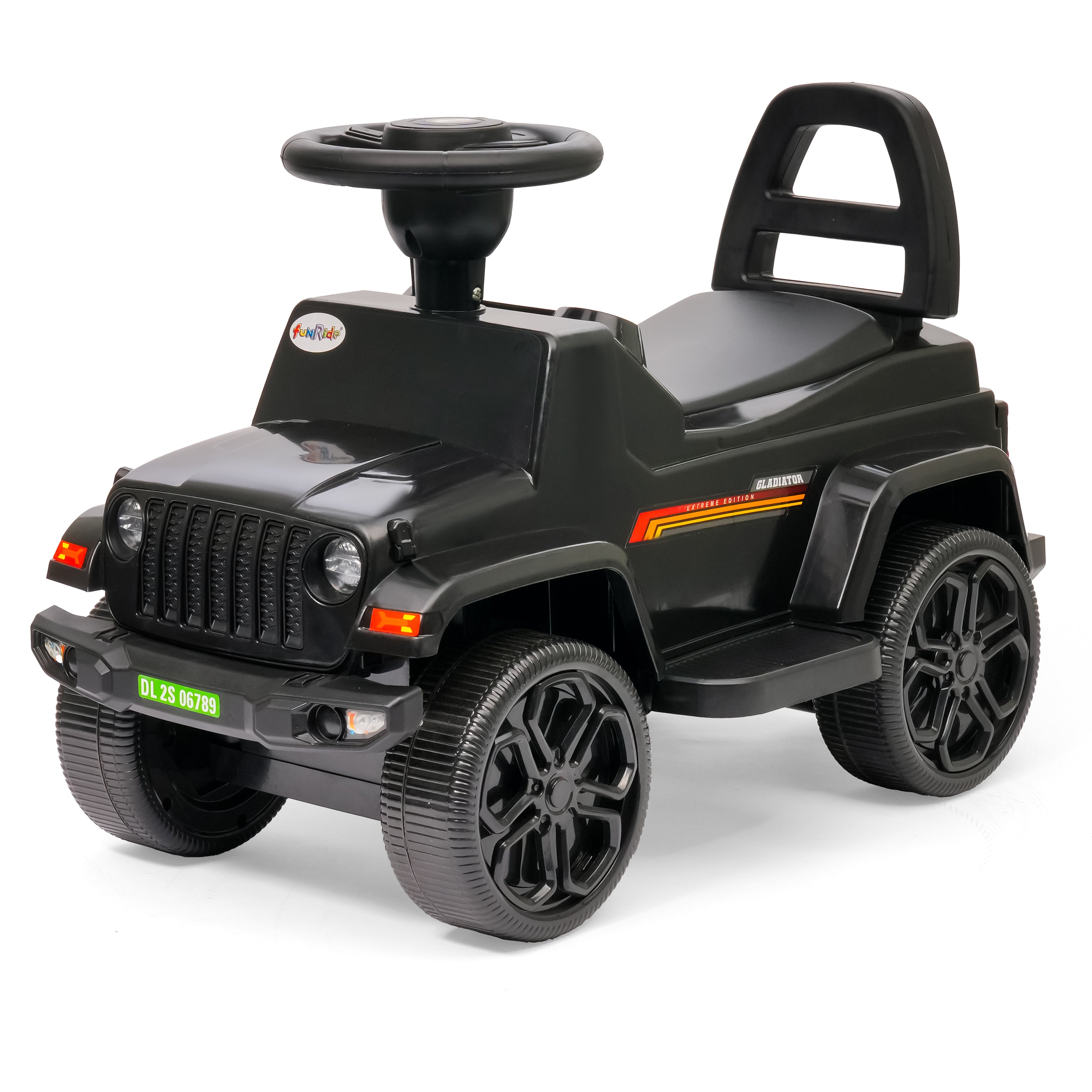
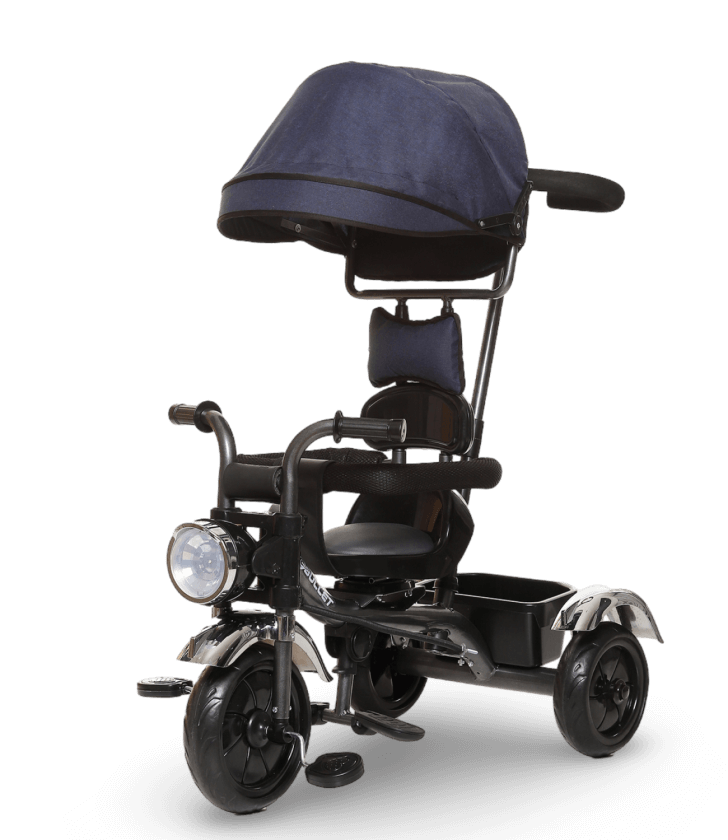
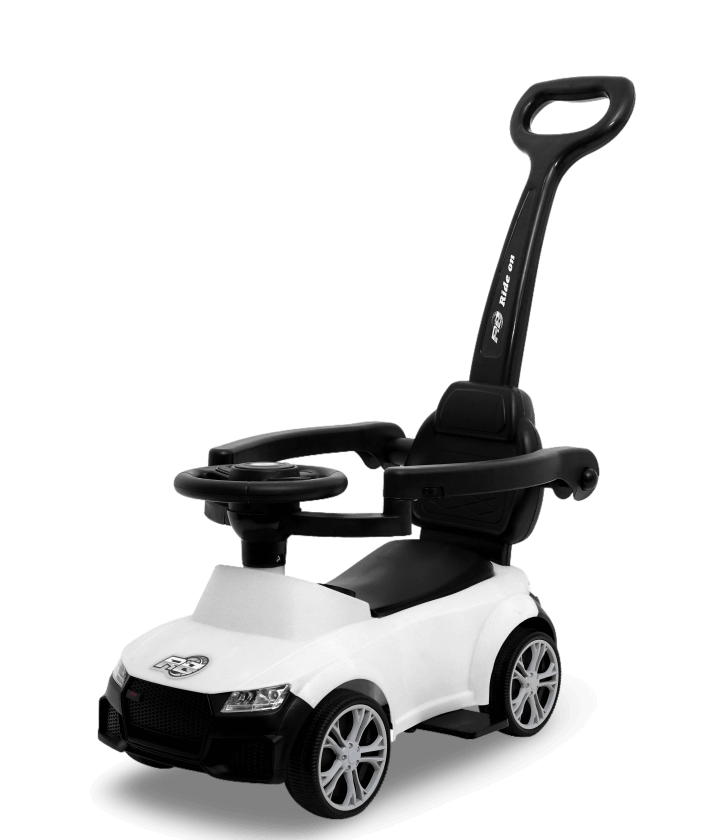
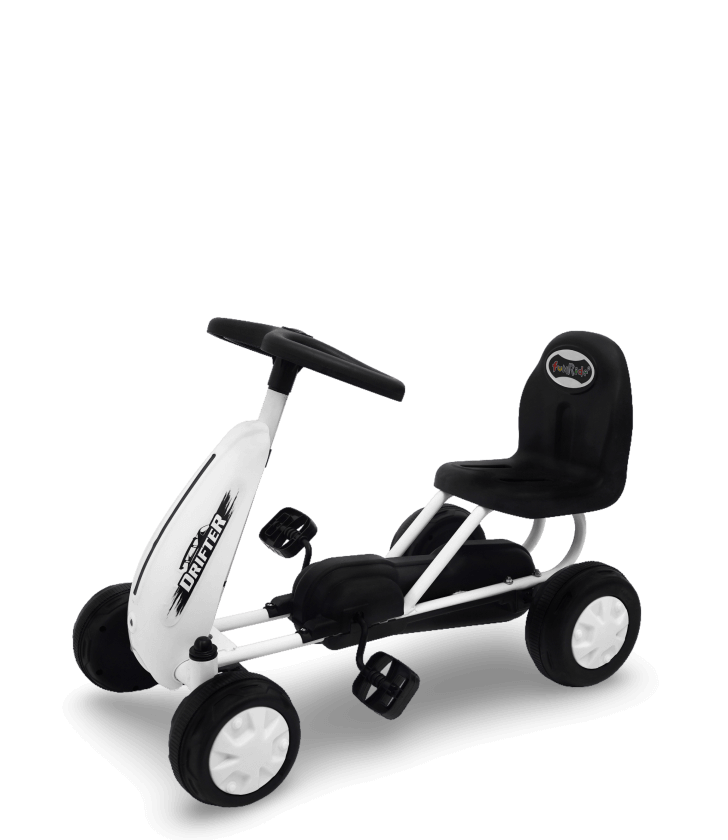
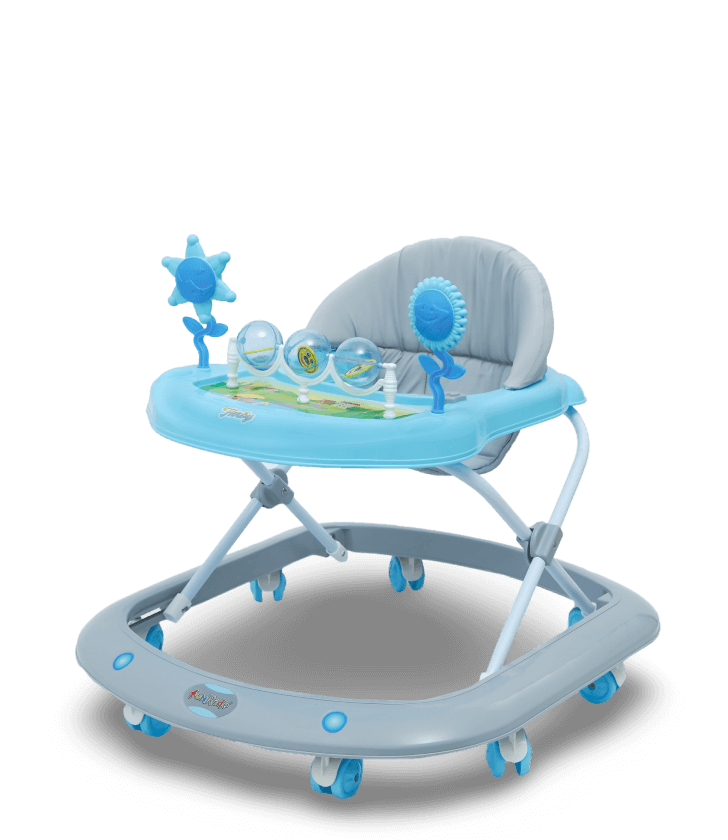
Structural strength. Ride-on toys, swings, walkers and other products that carry weight should be checked for frame strength, joint security, stability and wheel or axle performance. Checking a few units from each batch under realistic use helps spot weaknesses before products ship.
Finish and appearance. Surface marks, warping, cracks, colour patches, poorly fitted parts and printing or sticker defects all affect quality. Colours should match approved references, and parts of the same toy should match each other.
Material conformity. Manufacturers should be able to confirm that the plastics and colourants used match the specification and are suitable for children’s products, in line with the rules that apply to the toy and the market where it will be sold.
Documented Inspections, Batch Consistency and Corrective Action
Checks only work when they are systematic and recorded. Documented inspections turn quality from a promise into something that can be reviewed. Typically, this includes inspection of incoming raw materials, checks during production, a review of finished goods and a final look at packing and labelling before dispatch. Records should show what was checked, when and by whom, and what was found.
Batch consistency is the next test. A manufacturer should keep approved samples or reference standards and compare production against them, so that colour, size, fit and finish stay the same from one order to the next. This is especially valuable to retailers who reorder, since customers expect a repeat purchase to match the original.
Where applicable, products may also need testing against relevant safety requirements, either through in-house checks or an outside laboratory. The requirements differ by product and market, so buyers should confirm what applies to them and ask for supporting reports.
Finally, a sound system includes corrective action. When a defect appears, a good manufacturer does not simply replace the faulty unit. It looks for the cause, such as a worn mould, a material issue or an assembly error, and fixes it so it does not recur. Keeping a record of defects and the steps taken in response is a strong sign of a mature process.
How Buyers Can Ask the Right Questions
Many manufacturers describe their products as “premium quality” or “world-class,” but those phrases tell you nothing. To understand what is really happening, ask specific questions and expect specific answers:
At which stages of production do you carry out inspections?
What do inspectors check on this product, and what counts as a defect?
How do you check for sharp edges and loose small parts?
How do you test structural strength for products that carry weight?
How do you keep colours and finishes consistent across batches?
Can I see sample inspection records or a typical checklist?
Which tests or reports are available for this product, and for which standards?
What do you do when a defect is found, and how do you stop it happening again?
What happens if a customer receives faulty goods?
Pay attention to how the answers come. A confident manufacturer will give clear, practical detail and may be happy to share documents or arrange a visit or video walkthrough. Vague, evasive or overly general replies suggest that quality control may not be as strong as claimed.
Work With a Manufacturer That Welcomes Questions
At Funridetoys, we supply retailers, distributors and wholesalers with children’s products, including baby walkers, baby swings, tricycles and indoor games. We encourage buyers to ask detailed questions and request samples before ordering, because good partnerships begin with clear information.
If you would like to know more about our product ranges and how we approach quality, get in touch with our team.
Contact Funridetoys today to request product details and samples.


