What International Buyers Should Know Before Importing Toys from India

More overseas importers, distributors and retail chains are looking at India as a source of children’s toys. The country offers a growing manufacturing base, a wide range of product types and the ability to supply both standard and customized products. But importing toys is not like importing ordinary consumer goods. Toys are products for children, and most countries regulate them more strictly than general merchandise. A buyer who skips the groundwork can end up with goods that cannot be sold, held at customs or returned at great expense. This guide explains the steps that international buyers should take before placing an order with toy exporters from India.
Start by Evaluating Indian Toy Suppliers
The early stage of sourcing sets the tone for everything that follows. Begin by defining what you need: product categories, target age groups, price range, expected order quantity and whether you want standard products or your own branding. Then build a shortlist of suppliers and compare them on the same basis.
Find out whether you are dealing with a manufacturer, a trader or an agent, and how long the company has been working with export customers. Ask which markets it has supplied before, how it handles communication across time zones and how willing it is to share information openly. A reliable supplier answers questions clearly, provides documents on request and does not pressure you into quick decisions. Strong communication at this stage is often the best predictor of how the relationship will work later.
Product Specifications and Samples
Once you have a shortlist, ask for detailed specifications for every product you are considering. These should cover materials, dimensions, weight, colours, recommended age range, weight limits where relevant, assembly requirements and packaging details. Written specifications give both sides a clear reference and reduce misunderstandings during production.
Always order samples before committing to a bulk purchase. Inspect them for build quality, finish, edges, stability, small parts, printing, labelling and packaging. If possible, have them reviewed or tested by someone who knows the standards of your market. Keep the approved sample as a reference, and make sure the supplier agrees that bulk production will match it.
Documents, Shipping Terms and Customs
International trade runs on documentation, and mistakes can cause delays or extra costs. Typical documents include the commercial invoice, which records the goods and their value, and the packing list, which describes what is in each carton. Depending on your country and the product, you may also need transport documents, certificates of origin and product-specific compliance paperwork. Ask the exporter which documents it routinely provides and which ones your customs authority or customs broker will expect.
Shipping terms should be agreed clearly in advance. Terms such as FOB, CIF and EXW define who pays for transport and insurance and who carries the risk at each stage of the journey. Make sure the quotation states which terms apply and what costs are included, and ask about expected lead times, from order confirmation to dispatch and from dispatch to arrival.
Customs requirements differ by country, covering classification of goods, duties and taxes, labelling and inspection rules. A local customs broker or freight forwarder can help you understand what applies to the products you plan to import. It is wise to confirm these points before the order is placed, not when the shipment is already on its way.
Why Certification and Safety Requirements Differ
One of the most important points for any importer is that toy safety requirements are not the same everywhere. Different countries and regions have their own rules on testing, labelling, age warnings, restricted substances and documentation, and these rules can vary by product type. A baby product, a ride-on toy, a battery-operated toy and a simple plastic game may each face different requirements, even within the same market.
A certificate or test report that satisfies one market may not be accepted in another, and requirements are updated from time to time. For that reason, you should not rely on a supplier’s general statement that its products are “safe” or “certified.” Instead, find out exactly which rules apply in your destination market, and ask the supplier which standards each product is designed and tested to and what supporting documents it can provide. Your own compliance adviser, testing laboratory or customs broker can confirm whether those documents are enough. Some products may also need testing in the destination market or before shipment.
Pre-Order Checklist for Overseas Buyers
Before placing an order, confirm each of the following:
The product meets the requirements of your destination market
You have written specifications and approved samples for every item
Safety test reports and certificates match the exact product and market
Labels, age warnings, instructions and language requirements are correct
Quotation terms, MOQs, lead times and payment terms are clear
Shipping terms are agreed, with responsibility for each cost stated
Packaging is suitable for long-distance transport and customs handling
Required export and import documents are identified in advance
A customs broker or freight forwarder has reviewed the plan
The supplier has agreed how damaged, missing or non-conforming goods will be handled
Enquire with Funridetoys
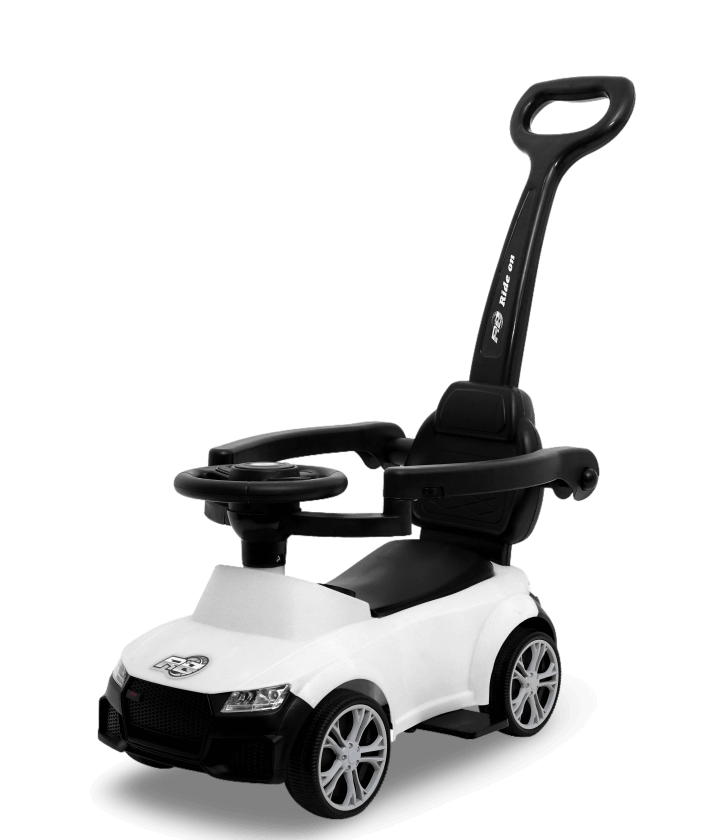
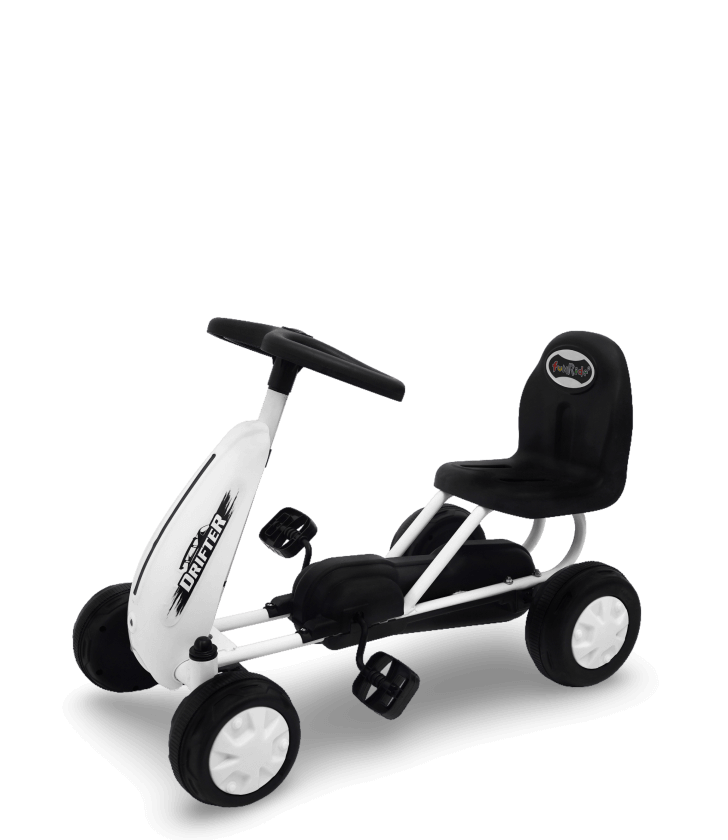
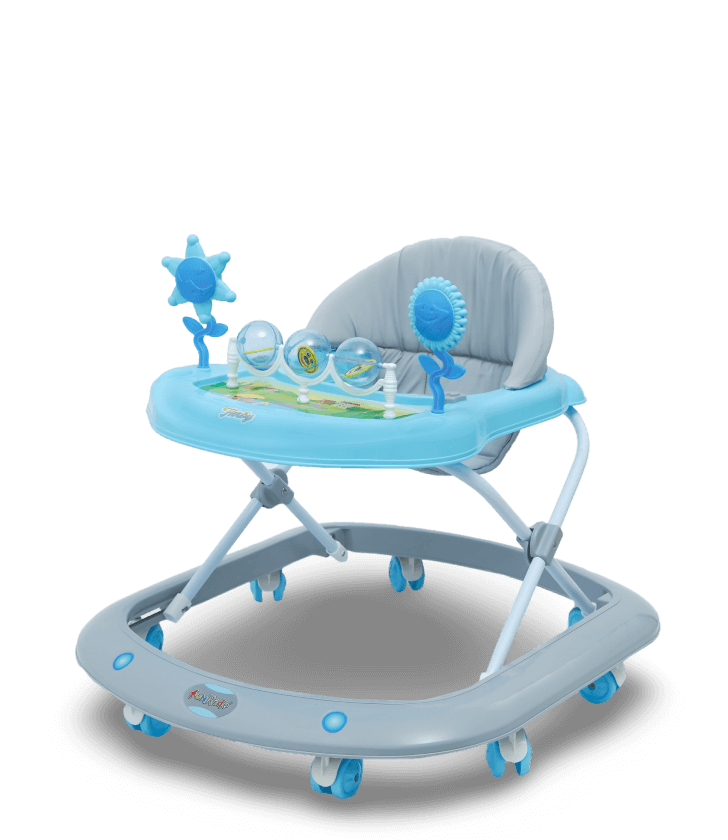
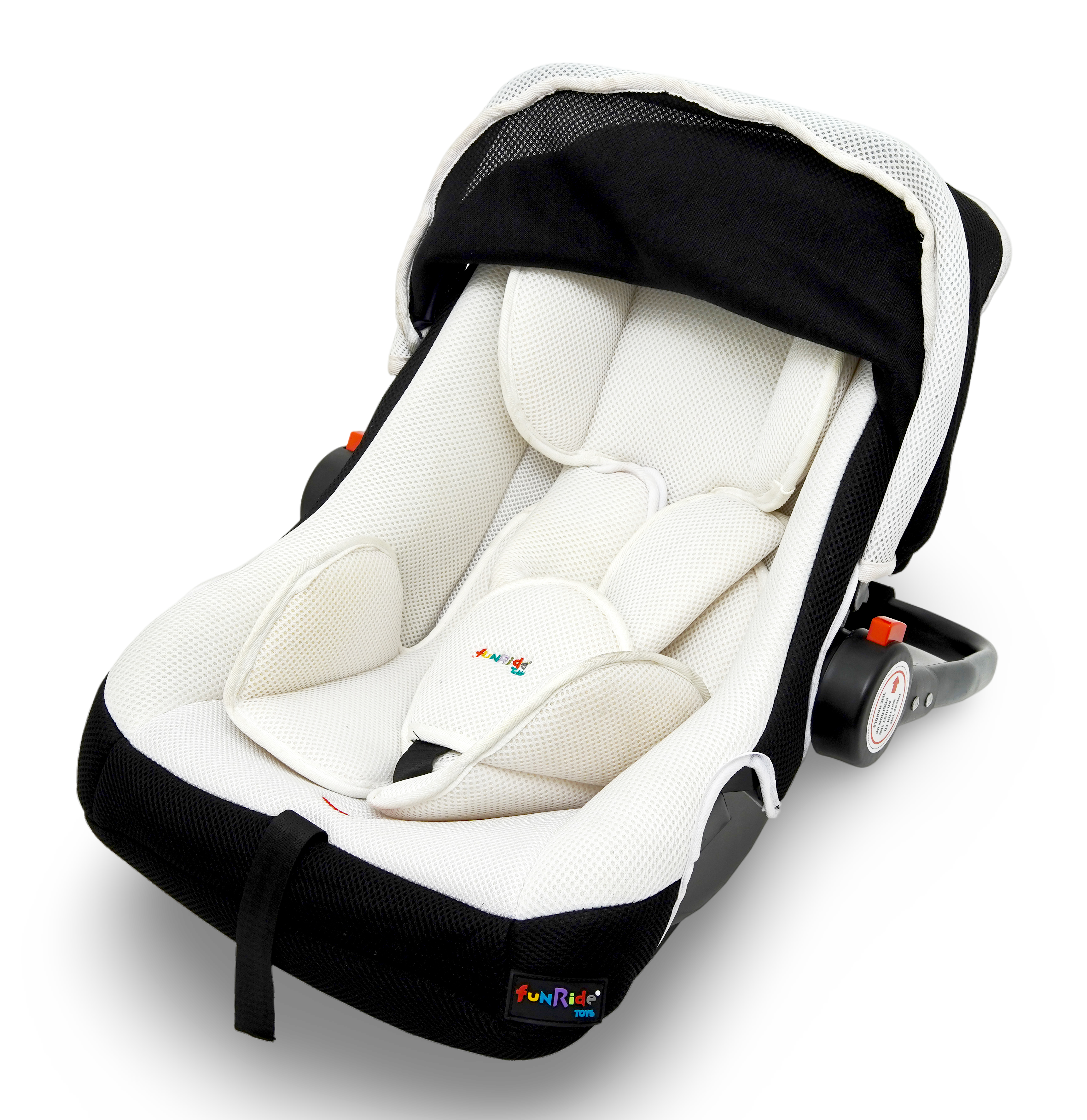
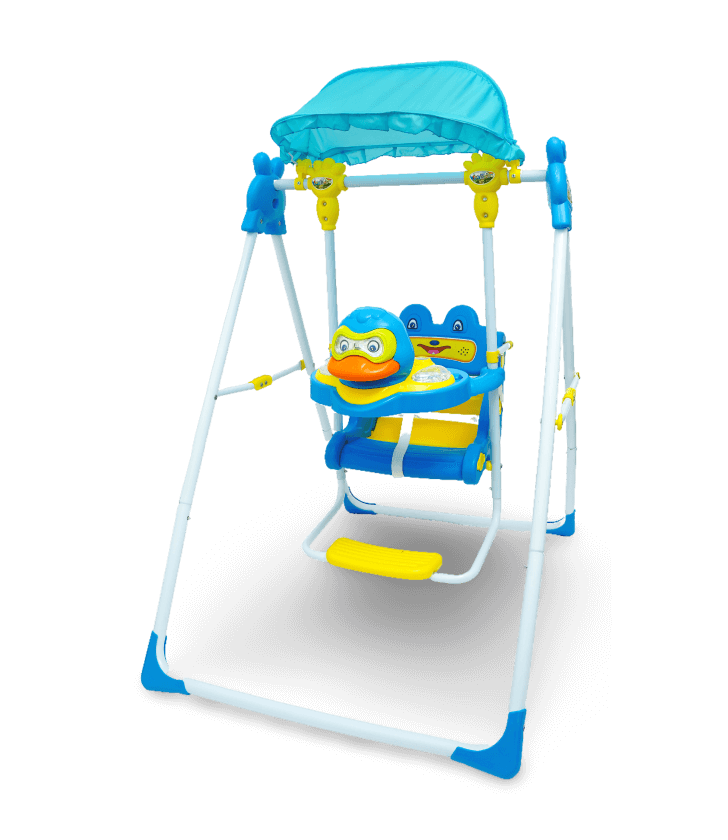
Funridetoys supplies children’s products, including baby walkers, baby swings, tricycles and indoor games. Overseas buyers who are exploring toy sourcing from India are welcome to get in touch. Send us your product requirements and target market, and our team will confirm which products, specifications, samples and export arrangements we are able to support for your needs.
Contact Funridetoys today to share your requirements and start the conversation.


