
Battery Operated Toy Manufacturer - Innovation That Powers Childhood Fun

Battery operated toy manufacturers have revolutionized the toy industry by creating interactive, engaging products that captivate children's imaginations in ways static toys simply cannot. From light-up robots to moving vehicles and musical instruments, battery operated toys represent a significant segment of the global toy market. As a parent or retailer, understanding what sets quality battery operated toy manufacturers apart can help you make informed purchasing decisions that prioritize both entertainment value and safety.
The manufacturing of battery-operated toys demands specialized expertise in electronics integration, safety protocols, and age-appropriate design. Leading manufacturers combine these technical skills with creative innovation to produce toys that are not just fun, but developmental and inspiring as well.

Why Battery Operated Toys Matter in Modern Childhood
Engagement and Interactive Learning
Battery operated toy manufacturers create products that offer multi-sensory engagement. Lights, sounds, and movement capture children's attention and encourage exploration, making learning feel like pure entertainment. These toys often incorporate educational elements—teaching colors, numbers, languages, or scientific concepts—through interactive play experiences.
Development of Cause-and-Effect Understanding
Young children thrive on understanding how their actions produce results. Battery-operated toys provide immediate, clear feedback that reinforces cause-and-effect relationships, which is fundamental to cognitive development. When a child presses a button and a robot dances, they're learning about consequences and control.
Extended Play Value
The interactive nature of battery-operated toys often means longer play sessions compared to static toys. Battery operated toy manufacturers understand that extended engagement translates to better value for parents and higher satisfaction rates.
Categories of Battery Operated Toys
Electronic Vehicles and Ride-Ons
Top battery operated toy manufacturers produce:
-
Remote-controlled cars and vehicles - building hand-eye coordination and spatial awareness
-
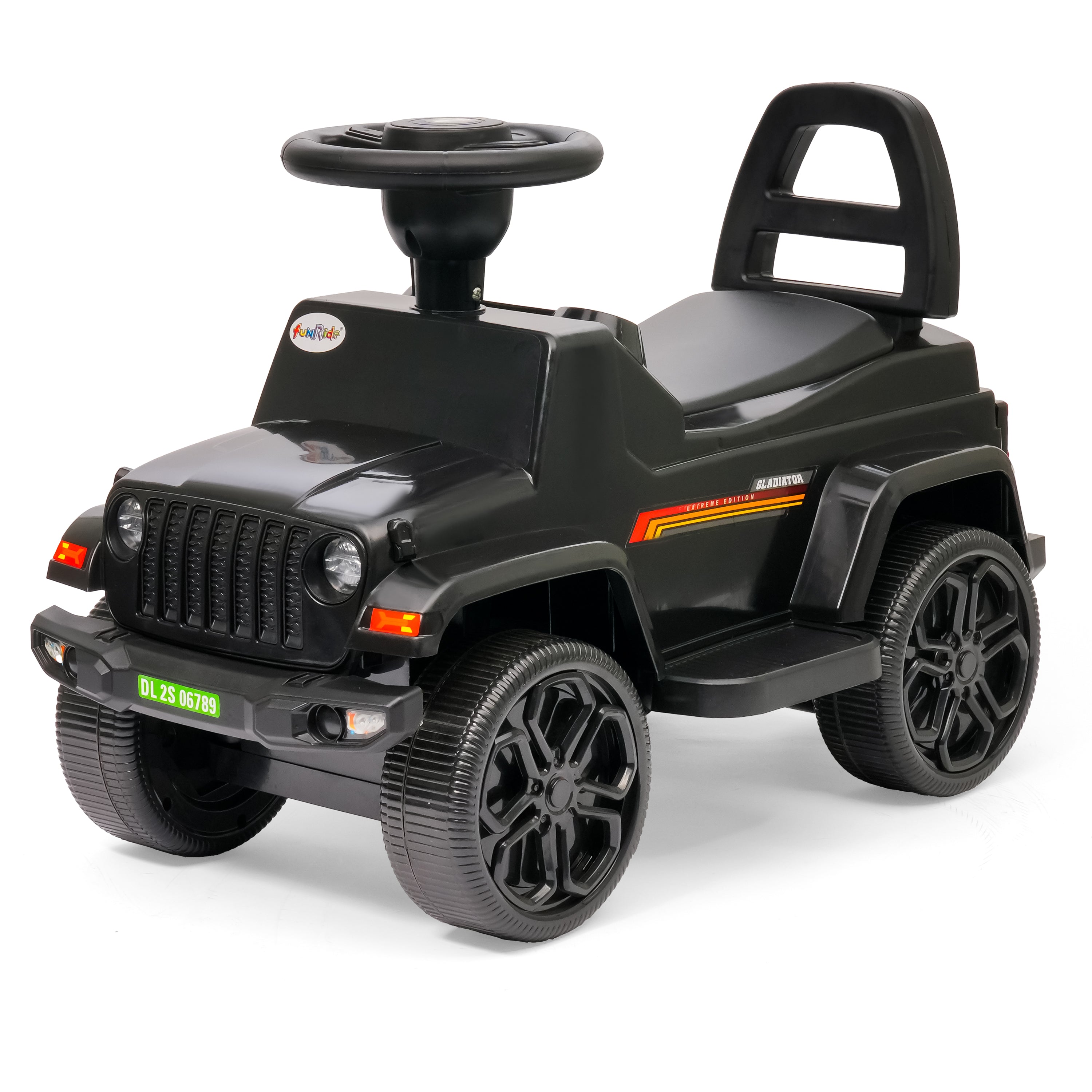
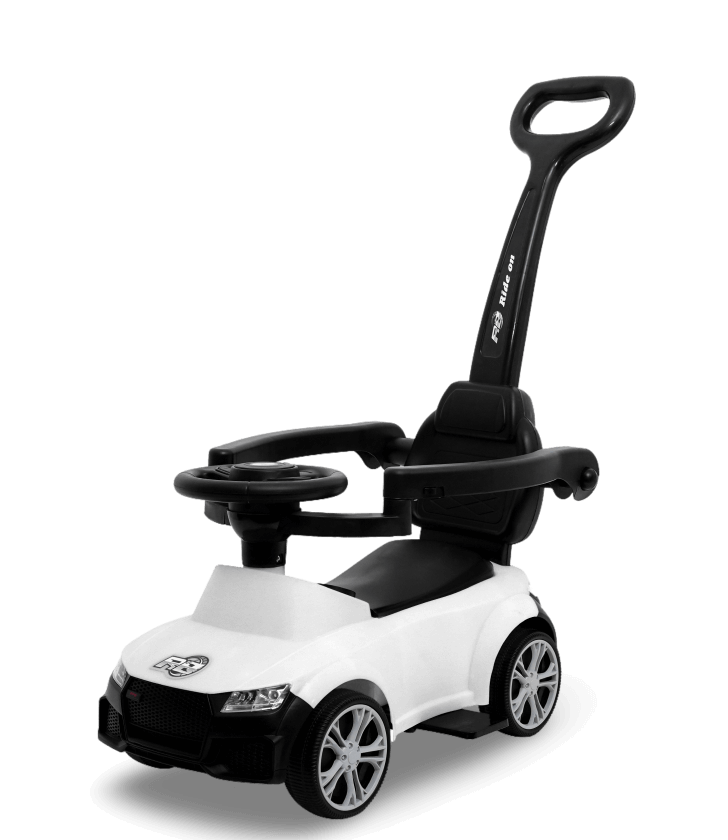
Electric ride-on toys - encouraging outdoor physical activity
-
Construction vehicle replicas - combining realistic play with motorized action
-
Track and path vehicles - creating structured play environments
Interactive Characters and Robots
These products combine entertainment with engagement:
-
Dancing and singing characters with motion sensors
-
Educational robots teaching coding and programming basics
-
Responsive plush toys with sound and movement
-
Interactive animal companions with various features
Musical and Sensory Toys
Battery operated toy manufacturers create sensory-rich experiences through:
-
Electronic musical instruments for toddlers and children
-
Light-up music boxes and sound toys
-
Keyboard instruments with learning modes
-
DJ and music-making stations for creative expression
Action and Adventure Sets
From dinosaurs to superheroes:
-
Motorized dinosaurs with roaring sounds and movement
-
Action figure sets with motorized elements
-
Theme-based playsets with electronic components
-
Interactive storytelling toys with sound effects
What Distinguishes Quality Battery Operated Toy Manufacturers
Electronics Expertise
Quality battery operated toy manufacturers employ engineers who understand:
-
Power management - ensuring efficient battery use and appropriate play duration
-
Safety circuitry - protecting young users from electrical hazards
-
Component integration - seamlessly combining electronic elements with toy design
-
Durability engineering - creating products that withstand drops, water exposure, and rough play
Safety Standards for Electronic Toys
Rigorous manufacturers maintain:
-
Battery compartment security - preventing children from accessing batteries
-
Low voltage compliance - ensuring all electronic components are child-safe
-
Thermal management - preventing overheating during extended use
-
EMF and radiation testing - confirming products meet health and safety standards
-
Waterproofing and durability - protecting electronics from environmental damage
Quality Control for Complex Products
Battery-operated toys are more complex than standard toys, requiring:
-
Multiple testing stages for electronic functionality
-
Quality checks at component, assembly, and final product stages
-
Reliability testing simulating extended use patterns
-
Random batch testing for safety compliance

Battery Technology and Sustainability
Modern Power Solutions
Progressive battery operated toy manufacturers are adopting:
-
Rechargeable battery options - reducing waste and long-term costs
-
USB charging capabilities - improving convenience for modern families
-
Solar-powered elements - introducing sustainable energy options
-
Efficient LED technology - maximizing battery life and brightness
Environmental Responsibility
Leading manufacturers consider:
-
Battery recycling programs and information
-
Sustainable sourcing for electronic components
-
Reduced packaging waste
-
Energy-efficient design throughout the product lifecycle
Design Considerations for Battery Operated Toys
Age-Appropriate Complexity
Battery operated toy manufacturers must balance sophistication with usability:
-
Toddlers (1-3 years) - Simple one-button activation, bright lights and sounds
-
Preschoolers (3-5 years) - Multiple features, basic interaction patterns
-
Early elementary (5-8 years) - Complex interactions, multi-step play sequences
-
Older children (8+) - Advanced features like programming or app connectivity
Safety Features in Interactive Play
Smart manufacturers incorporate:
-
Auto-shutoff features to prevent overheating and battery drain
-
Volume limitations protecting hearing development
-
Non-toxic materials for all components
-
Secure housing preventing access to electronic elements
The Manufacturing Process for Electronic Toys
1. Component Sourcing
Reliable manufacturers:
-
Source quality electronic components from verified suppliers
-
Test components before integration into toys
-
Maintain backup suppliers for supply chain resilience
-
Verify all components meet relevant safety standards
2. Circuit Design and Testing
Careful engineering includes:
-
Prototype circuit testing and validation
-
Safety circuit integration
-
Durability testing for extended use
-
Compliance verification with electrical standards
3. Assembly and Integration
Production involves:
-
Electronic component placement and soldering
-
Housing and structural assembly
-
Quality checks at multiple stages
-
Battery compartment security verification
4. Testing and Quality Assurance
Comprehensive testing ensures:
-
Functional testing of all electronic features
-
Safety testing of electrical components
-
Durability testing simulating child use patterns
-
Final inspection before packaging
Cost Considerations and Value
Pricing Structure
Battery-operated toys typically cost more than non-electronic alternatives due to:
-
Electronic components and assembly
-
Rigorous testing and quality assurance
-
Safety compliance measures
-
Warranty and replacement batteries
However, the extended play value and developmental benefits often justify the investment.
Bulk Purchasing Benefits
Retailers and organizations buying in volume can negotiate:
-
Significant per-unit price reductions
-
Customization options (branding, packaging)
-
Extended payment terms
-
Technical support and warranty enhancements
Conclusion
Battery operated toy manufacturers represent the intersection of innovation, engineering, and childhood development. Quality manufacturers understand that electronic toys must deliver entertainment value while prioritizing safety and developmental appropriateness. Whether you're selecting toys for your child, stocking retail shelves, or sourcing for institutional use, choosing products from reputable battery operated toy manufacturers ensures you're investing in quality, safety, and genuine developmental support. The best manufacturers don't just power toys—they power imagination, learning, and countless hours of joyful childhood memories.
FAQs - Battery Operated Toy Manufacturer
1. How long do batteries typically last in children's toys?
Battery life varies significantly based on product type, usage intensity, and battery quality. Most battery-operated toys provide 8-20 hours of continuous play, though this can vary. High-quality manufacturers design for extended battery life and clearly indicate expected duration. Factors affecting lifespan include feature complexity, sound volume levels, and LED brightness. Always check product specifications for battery life estimates.
2. Are rechargeable batteries safer than disposable batteries in toys?
Both are safe when properly integrated by quality manufacturers. Rechargeable batteries (Li-ion or NiMH) offer environmental benefits and reduce long-term costs, while disposable batteries are convenient for immediate replacement. The key safety factor is secure battery compartment design, which prevents children from accessing batteries. Quality manufacturers ensure compartments are difficult for small hands to open.
3. What electronic safety certifications should I look for?
Important certifications for battery-operated toys include FCC (US electromagnetic compatibility), CE marking (European safety), RoHS compliance (hazardous substance restrictions), and ASTM F963 (US toy safety). Manufacturers should also comply with local electrical safety standards. Verify certifications are current and from reputable testing organizations.
4. Can battery-operated toys get wet or be used near water?
Most battery-operated toys are not waterproof and should be kept away from water. Some manufacturers create water-resistant versions specifically labeled for bath time or pool play. Never assume a toy is waterproof unless explicitly stated. Water infiltration can cause electrical hazards and product failure. Always read safety instructions regarding water exposure.
5. What's the typical lifespan of a battery-operated toy?
With proper care, quality battery-operated toys can last several years. Durability depends on manufacturing quality, play intensity, and maintenance. Protecting toys from drops and rough handling extends lifespan. Most quality manufacturers provide 1-2 year warranties. Expected lifespan ranges from 2-5 years for typical home use, though heavier commercial use may shorten this.


