Baby Swing Exporter India: A Guide for Wholesale Buyers

Baby swing exporter in india
5 mins reading time
Baby Swing Exporter India: A Guide for Wholesale Buyers

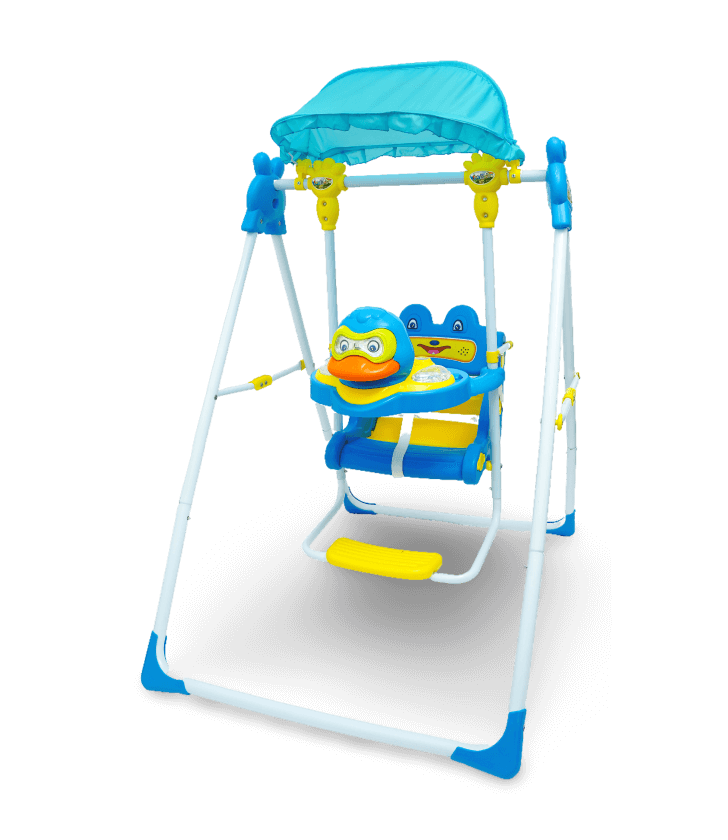
Baby swings are a steady seller for toy and baby product retailers, and wholesale buyers around the world are increasingly looking at India as a source. The category looks simple, but a swing is a product where a child’s weight is carried by a frame, straps and fittings, so construction and safety details matter a great deal. For an importer or distributor, choosing the right baby swing exporter in India means looking well beyond price and colour. This guide explains the types of swings you will come across, how to evaluate them, and what to check on the export side before you commit to a bulk order.

Types of Baby Swings and Sourcing Considerations

Baby swings come in several forms, and each suits a different customer and use. Common types include:

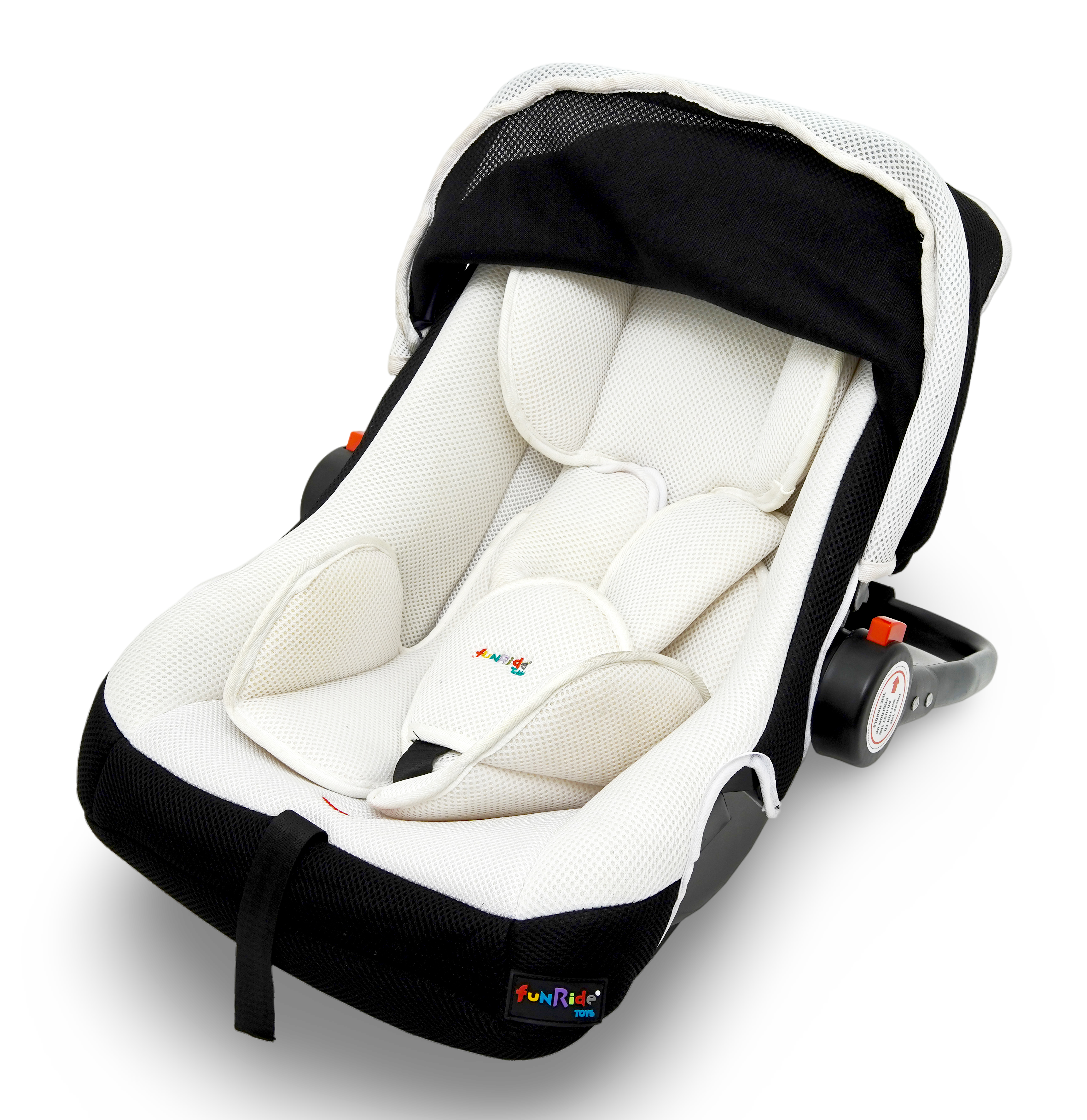
Infant swings and rockers with a supportive seat, designed for very young children and used under close supervision

Frame-mounted toddler swings, which come with their own stand and are popular for home use

Hanging or indoor swings, which attach to a suitable overhead support

Outdoor swings, intended for gardens, balconies or play areas

Some designs are purely manual, while others include extra features such as canopies, trays or music. As a buyer, decide which types match your market before you approach suppliers. The age range, price point, available storage space and local preferences all affect which products will sell. A good exporter can explain the differences between its models and help you build a range without overloading you with similar items.

Evaluating Construction and Stability

Construction is the first thing to examine. Check the frame material and thickness, the joints, the hanging points and every connector that carries weight. Plastic parts should be free of cracks, thin sections and rough moulding marks, and metal parts should be well finished and protected against rust where the product will be used outdoors or in humid conditions.

Stability matters just as much. A free-standing swing should have a wide, balanced base that resists tipping when the child moves, and the assembled product should feel solid, not flexible or wobbly. Ask how the manufacturer tests its swings for strength and stability, and whether the stated load limits are based on testing and not just estimates. When you inspect a sample, assemble it exactly as a customer would, since awkward assembly or ill-fitting parts are often the first signs of weak production.

Restraints, Weight Limits and Age Recommendations

For a baby swing, the seat and restraint system deserve particular attention. Look at the harness or safety strap design, how securely the buckles close and whether the straps are adjustable and easy for a caregiver to use correctly. The seat should offer appropriate support for the age range it claims to suit, and edges should be smooth and padded or rounded where a child’s body will make contact.

Every swing should show clear weight limits and age recommendations on the product and in the instructions. Ask the exporter how these figures were decided, and be cautious if the information is vague, inconsistent or missing. Clear, accurate guidance protects your customers and protects you as the seller. Also keep your marketing factual. Describe features and build quality, and avoid making health or developmental claims about a swing, since these are not something a product listing should promise.

Packaging, Compliance and Documentation

Swings are often bulky, so packaging has a real effect on both damage rates and shipping cost. Ask how products are packed for export: carton strength, protection for frames and plastic parts, and whether the design allows efficient loading into containers. Check that instructions, warnings and any required labels are included and clearly printed, in the languages your market needs.

Compliance requirements differ from one country to another, and they cover areas such as safety testing, labelling and documentation. Ask the exporter which standards its swings are designed and tested to, and request supporting test reports or certificates relevant to your destination. Rules change, so confirm the current requirements with your own compliance adviser, testing body or customs agent instead of relying on a supplier’s statement alone.

Documentation should be handled smoothly too. A dependable exporter will be familiar with commercial invoices, packing lists, shipping documents and any certificates your country requires, and will tell you clearly who is responsible for each part of the process.

Shipping Terms and Supplier Communication

Compare quotations on the same basis. Look at the unit price, minimum order quantity, shipping terms (such as FOB, CIF or EXW), lead time and payment terms, and find out what happens if goods arrive damaged or the shipment is delayed. A lower price is not a better deal if it comes with unclear terms or weak support.

Communication is a useful test of reliability. A good exporter replies promptly, answers technical questions directly, shares samples without fuss and explains what it can and cannot do. Slow, vague or evasive replies at the enquiry stage rarely improve after you have paid a deposit.

Practical Supplier Checklist

Keep this list handy when comparing baby swing suppliers:

A product range that fits your target customers and age groups

Strong frames, secure joints and stable bases

Reliable harness or restraint systems that are easy to use

Clearly stated weight limits and age recommendations

Smooth edges, durable materials and good finishing

Safety test reports and documents suited to your market

Clear instructions and warnings

Export-ready packaging that limits transit damage

Transparent pricing, MOQs, shipping terms and lead times

Samples available before bulk orders, and prompt communication

Talk to Funridetoys

Funridetoys works with wholesalers, distributors and retailers who want dependable children’s products, including baby swings. If you are considering swings for your next order, contact our team to request verified product specifications, available models and export details. We will help you review what suits your market so you can make a confident buying decision.

Contact Funridetoys today to ask about our baby swing range and export information.


Related Blogs

How to Find Reliable Toy Exporters from India

How to Find Reliable Toy Exporters from India

India has become an increasingly attractive sourcing destination for international toy buyers. A growing manufacturing base, a wide choice of product categories, competitive pricing and the ability to customize products all make Indian suppliers worth considering for importers, distributors and retail chains abroad. But sourcing from another country brings its own risks: distance, different standards, shipping complexity and the difficulty of judging a supplier you have never met. Finding reliable toy exporters from India takes a structured approach. This guide walks you through the key steps, from defining your requirements to comparing offers and shortlisting suppliers. Start by Defining What You Need Before you contact any exporter, get your own requirements in order. Decide which product categories you want, such as ride-on toys, baby walkers, swings, tricycles, educational toys or indoor games. Be clear about the age groups, the target price range, the quantity you plan to order and whether you want ready-made products or your own branding and packaging. Equally important, know your destination market. Each country or region has its own rules about toy safety, labelling and testing, and these affect which products you can legally sell. Establish these requirements early, since a supplier who cannot meet them will waste your time no matter how attractive the price looks. Having a short written brief makes your enquiries sharper and helps exporters respond with relevant, accurate information. Check Product Specifications and Target-Market Requirements Once you have a shortlist of exporters, ask for detailed product specifications. These should cover materials, dimensions, weight, colours, recommended age range, weight limits where relevant, and assembly requirements. Compare this information against what your market expects. Ask the exporter directly whether its products can meet the safety and labelling requirements of your country, and what testing or certification records it can provide. Requirements change over time, so always confirm the current rules with your own importer, testing body or compliance adviser rather than relying on a supplier’s assurance alone. A reliable exporter will be open about what it can and cannot support and will not make promises it cannot keep. Evaluate Samples Carefully Never place a large order without seeing samples. Request samples of the exact products you plan to buy and inspect them thoroughly. Check the build quality, finish, edges, joints, stability, colours, packaging and printed information. If possible, have the samples tested or reviewed by someone familiar with your market’s standards. Pay attention to how the exporter handles the sample stage itself. Is the communication clear? Are the samples delivered on time and as described? Does the quality match the catalogue? The sample process is often a preview of how the whole relationship will go. Also confirm that bulk production will match the approved sample, and ask how the manufacturer maintains that consistency from batch to batch. Understand Export Documentation and Packaging Exporting requires proper paperwork, and a dependable exporter should handle it confidently. Ask about the documents it normally provides, such as commercial invoices, packing lists, shipping documents and any certificates required by your country. Clarify who is responsible for which part of the process, so nothing falls through the gaps at customs. Packaging deserves equal attention, because toys travel a long way before reaching the shelf. Export cartons should be strong, properly sealed and suitable for sea or air freight. Individual products should be protected against scratches, crushing and moisture. Check that packaging carries the correct product details, age warnings and any labelling your market requires. Good packaging reduces damage claims and makes customs inspections and warehouse handling smoother. Compare Quotations Properly When quotations arrive, resist the temptation to simply choose the lowest price. Compare each offer on the same basis by looking at: Unit price and what it includes, such as packaging, branding or accessories Minimum order quantity and whether it suits your budget and sales forecast Shipping terms, which define who pays for transport, insurance and customs at each stage (for example FOB, CIF or EXW) Lead time, from order confirmation to dispatch, and how it changes for custom orders or peak seasons Payment terms, such as advance deposits, balance on shipment or other agreed methods A very low quotation can hide extra costs or lower quality. A slightly higher offer from a supplier with clear terms, consistent quality and dependable delivery often works out cheaper in the long run. Look at Communication and Track Record Reliable exporters reply promptly, answer questions clearly and share information openly. Be cautious of vague responses, pressure to pay quickly or a reluctance to provide samples and documents. Where possible, ask for references, details of past export experience and a sense of the markets the exporter already serves. A genuine, established supplier will be comfortable with these questions. Supplier-Evaluation Checklist Use this checklist when comparing toy exporters from India: Product range that matches your categories and age groups Clear specifications, materials and safety information Ability to support the requirements of your target market Willingness to provide samples before bulk orders Consistent quality between approved samples and production Experience with export documentation and shipping Strong, export-ready packaging Transparent quotations covering MOQ, shipping terms and lead times Clear, reasonable payment terms Prompt, honest communication Talk to Funridetoys Funridetoys works with retailers, distributors and brands who want dependable toys, including baby walkers, baby swings, tricycles, indoor games and educational toys. If you are an international buyer exploring toy sourcing from India, we welcome your enquiry. Share your product requirements, target market and expected order quantities, and our team will discuss available ranges, samples and the export arrangements that can be supported for your requirements. Contact Funridetoys today to start your sourcing conversation.  

Read Story
Top Factors to Consider When Selecting a Plastic Toy Manufacturer

Top Factors to Consider When Selecting a Plastic Toy Manufacturer

Plastic remains the most popular material in children’s toys, and it’s easy to see why. It is lightweight, easy to clean, available in bright colours and strong enough to survive years of rough play. From ride-on toys and baby walkers to swings, building blocks, playhouses and indoor games, plastic toys fill a large share of retail shelves. But not all plastic toys are equal. Two products can look identical in a catalogue and still differ greatly in safety, finish and lifespan. That is why retailers, distributors and brands need to evaluate a plastic toy manufacturer carefully before placing orders. The factors below will help you separate reliable partners from risky ones.   Know the Types of Plastic Toys You Plan to Sell   Start by defining your product mix. Plastic toys cover a wide range: toddler ride-ons, tricycles, baby walkers, baby swings, activity centres, kitchen and role-play sets, blocks and construction toys, outdoor play items and tabletop or indoor games. Each category has different requirements. A ride-on toy must carry weight and remain stable. A rattle or stacking toy for a baby must be small enough to hold but not small enough to be a hazard. A swing needs strong joints and secure fastenings.   A manufacturer who is strong in one category may be average in another, so look for proven experience in the exact products you want to sell. This matters even more when your customers are parents, who judge a product by how safe, sturdy and appealing it looks in their child’s hands.   Material Selection: The Foundation of Quality   The type and grade of plastic decide how a toy looks, feels and lasts. Ask your manufacturer which plastics are used for each product and why. Some plastics are better for flexible parts, others for rigid frames, and the right choice depends on how the toy will be used. A few questions worth asking:   Is virgin or recycled material used, and in which parts? Are the plastics and colourants suitable for products meant for children, especially toys that babies may mouth? For outdoor products, is the material treated to resist sunlight and weather so it does not fade or turn brittle?   A reputable manufacturer will answer these clearly and, where needed, share supporting test information. Hesitation or vague answers about materials should be treated as a warning sign.   Design, Durability and Age-Appropriate Construction   Good design is about more than appearance. A well-made plastic toy has smooth, rounded edges with no sharp points, burrs or rough seams, particularly on products for infants and toddlers. Moulded parts should fit together neatly and joints should hold firmly under repeated use. Wheels, handles, seats and fastenings deserve special attention, since these are the parts children pull, push and lean on the most.   Age suitability is just as important. The size of components, weight capacity, stability and the way a toy is assembled should all match the intended age group. Ask how the manufacturer decides the recommended age range and whether warnings and usage guidance are printed clearly on the product or packaging. A toy that is thoughtfully designed for its age group is safer for children and easier for you to sell with confidence.   Quality Checks and Colour Consistency   Strong quality control separates a dependable supplier from an occasional lucky one. Ask where checks happen: incoming raw materials, during moulding and assembly, and final inspection before packing. Find out how defects such as warping, flash, cracks, weak joints or surface marks are identified and handled.   Colour consistency is often overlooked until a problem appears. If one batch of a toy is a slightly different shade from the next, or the parts of a single toy do not match, customers notice, and so do retail buyers. Ask how the manufacturer keeps colours uniform across batches and whether approved colour references are maintained. This is especially valuable when you reorder, because your next shipment should look the same as the first.   Packaging, Minimum Order Quantities and Repeat Orders   Packaging protects products in transit and sells them on the shelf. Check whether cartons are strong enough for bulk shipping, whether individual toys are packed to avoid scratches and breakage, and whether printed boxes carry clear product details, age guidance and branding where required. If you want custom packaging, ask what is possible and at what quantities.   Minimum order quantities, or MOQs, deserve an honest conversation. A reasonable MOQ lets you test products without tying up too much stock, while a manufacturer with very rigid requirements may not suit a growing business. Finally, look at repeat-order reliability. Can the manufacturer deliver the same quality, price discipline and timelines on your third or fourth order as it did on the first? Consistent repeat performance is where a good manufacturing relationship really pays off.   A Quick Checklist for Shortlisting Manufacturers   Use this list when comparing suppliers:   Experience in the specific plastic toy categories you need Clear information on materials, plastics grades and colourants Smooth finishing, secure joints and age-appropriate design Documented quality checks at every production stage Consistent colours across batches Strong, protective packaging with clear product information Flexible and realistic MOQs Proven reliability on repeat orders and delivery timelines Willingness to provide samples before you commit to bulk orders   If a manufacturer ticks most of these boxes and communicates openly, it deserves a place on your shortlist.   Explore the Funridetoys Range   Funridetoys supports retailers, distributors, wholesalers and brands looking for dependable plastic toys for children. Our range includes products such as baby walkers, baby swings, tricycles and indoor games, developed with attention to safety, durability and play value. Whether you are expanding your current shelf or building a new toy line, our team can help you find the right products for your customers.   Explore the Funridetoys product range, request samples and get in touch to discuss your requirements, order sizes and customization needs. We would be glad to become your long-term manufacturing partner.   Contact Funridetoys today to start the conversation.  

Read Story
How to Choose the Right Kids Toys Manufacturer in India

How to Choose the Right Kids Toys Manufacturer in India

Choosing a kids toys manufacturer is one of the most important decisions a retailer, distributor or toy brand can make. The right partner gives you consistent quality, dependable stock and products that parents trust. The wrong one leads to delayed shipments, safety complaints, returns and a damaged reputation. India’s toy industry has grown quickly in recent years, and there are now many manufacturers to choose from. That makes a clear evaluation process essential. Whether you run a retail store, supply toys to other shops or want to launch your own brand, the questions below will help you shortlist a toy manufacturer in India with confidence. Start With Your Own Requirements Before you contact any supplier, be clear about what you need. Are you looking for ready-to-sell products, or do you want custom designs under your own brand? What age groups do you serve? What order quantities do you expect now, and what might you need in six to twelve months? A manufacturer that suits a small trial order may struggle to support you as you grow, and a factory built for huge export volumes may not give a small retailer the attention it needs. Knowing your target market, price range and order size makes every later conversation faster and more useful. Check Product Variety and Age Suitability A good manufacturer offers a range that matches your customers’ needs. A wider catalogue helps you buy from one source instead of managing several suppliers. For a typical retail or distribution business, that range might include ride-on toys, baby walkers, baby swings, tricycles, indoor games and educational toys. Age suitability matters just as much as variety. A toy designed for toddlers needs different materials, edges, sizes and structural strength than one designed for school-age children. Ask the manufacturer how it decides the recommended age for each product and whether this is clearly shown on packaging and product information. A manufacturer that understands child development will design toys that are safer, more engaging and easier to sell. Look Closely at Material Quality Materials decide how safe and durable a toy is. Children chew, drop, pull and climb on their toys, so poor plastics; weak joints or badly finished edges quickly become a problem. Ask what materials are used for each product line, whether the plastics are child-safe, and how paints and finishes are tested. Look for smooth edges; secure fastenings, stable frames on ride-on toys and strong stitching or molding on every part. Durable products also mean fewer complaints and returns, which protects your margins over time. Ask About Customization and Production Capacity If you plan to sell under your own name, customization will be a key factor. Find out whether the manufacturer can adjust colours, add your logo, develop custom packaging or modify designs to suit your market. Ask about minimum order quantities, how long a custom order takes and whether design changes are possible after sampling. Production capacity is equally important. A manufacturer should be able to explain how many units it can produce in a month, how it plans production for peak seasons such as festivals and school holidays, and how it handles large repeat orders. Strong capacity means your shelves stay full when demand rises, and you avoid the stress of stock-outs during your best-selling weeks. Always Review Samples Before Placing a Bulk Order Catalogue photos can only tell you so much. Before you commit to a large order, request samples of the products you want to buy. Handle them yourself and check the build quality, finish, weight, stability, packaging and instructions. If possible, have your own team or a few parents test them. Compare the sample with the specification you were promised, because a reliable manufacturer will make sure bulk production matches the approved sample. Any gap between the two at this stage is an early warning worth taking seriously. Understand Quality Control and Documentation Ask how the manufacturer checks quality at each stage: raw material inspection, production-line checks, finished product testing and final packing inspection. A clear, documented process shows that quality is built into the work and not left to chance. Documentation is just as important, especially if you sell to organised retail, schools or export markets. Ask about relevant certifications, product testing records, safety compliance and the paperwork needed for invoicing, transport and, where applicable, export. Toy safety standards and requirements can change, so always confirm the current rules that apply to the products and markets you are dealing with. A manufacturer that handles documentation properly will save you time and avoid problems at the point of sale or shipment.  Confirm Delivery Timelines and Communication Even excellent toys are of little use if they arrive late. Discuss lead times for sample orders, regular orders and custom orders, and ask how the manufacturer packs goods for safe transport. Find out how it handles delays or damage in transit. Equally, pay attention to how responsive the team is during your enquiry. Clear, prompt and honest communication before the order is a good indicator of what working together will be like afterwards. Long-term partnerships depend on reliability and transparency on both sides. A Simple Checklist Before You Decide When you compare toy manufacturers in India, keep this short list in mind: A product range that fits your customers and age groups Safe, durable materials and a good finish Customization options and realistic minimum order quantities Enough production capacity to support your growth Willingness to provide samples before bulk orders Clear quality-control steps and proper documentation Reliable delivery timelines and responsive communication Partner With Funridetoys At Funridetoys, we work with retailers, distributors, wholesalers and brands who want dependable toys and a manufacturing partner they can trust. Our ranges include products such as baby walkers, baby swings, tricycles, indoor games and educational toys, designed with children’s safety, durability and fun in mind. If you are planning to stock new toys or build your own range, we would be glad to hear from you. Contact the Funridetoys team to ask about our available toy ranges, manufacturing capabilities, samples and bulk order options. Tell us what your business needs, and we will help you find the right products for your market. Ready to start? Get in touch with Funridetoys today to request our catalogue and discuss your requirements.  

Read Story
Read all stories